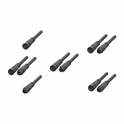
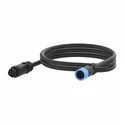
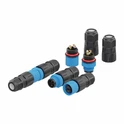
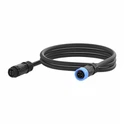
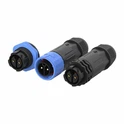
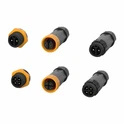
Waterproof connectors are critical sealing components in electronic devices, and their performance directly impacts the reliability and service life of the device. The choice of material is a key factor in determining a waterproof connector's waterproof rating, weather resistance, and mechanical strength. Currently, mainstream waterproof connectors utilize the following materials.
The housing is typically made of high-strength engineering plastics or metals. Engineering plastics such as nylon (PA), polycarbonate (PC), or liquid crystal polymer (LCP) offer excellent insulation, corrosion resistance, and lightweight properties, making them suitable for low- to medium-intensity environments. Nylon is widely used for its excellent abrasion and chemical resistance, while polycarbonate is often used for connectors requiring visibility due to its high transparency and impact resistance. For applications requiring higher strength, such as industrial or outdoor equipment, metal materials such as stainless steel, aluminum alloy, or zinc alloy are more common. These materials not only provide enhanced mechanical protection but also effectively resist electromagnetic interference (EMI).
The sealing material is crucial for waterproof connectors and directly impacts their waterproof performance. Common sealing materials include silicone, ethylene propylene diene monomer (EPDM), and fluororubber (FKM). Silicone offers excellent high and low temperature resistance (-60°C to over 200°C), making it suitable for extreme environments. Its excellent elasticity and compression set ensure long-term sealing reliability. EPDM, renowned for its excellent weather and ozone resistance, is suitable for outdoor applications. Fluororubber, with its exceptional oil and chemical resistance, is often used in chemical and specialized industrial environments.
Contacts are typically made of copper alloys, such as phosphor bronze or brass, and are plated with gold, nickel, or tin to enhance conductivity, oxidation resistance, and wear resistance. Gold plating significantly reduces contact resistance, making it suitable for high-precision signal transmission, while nickel plating provides enhanced corrosion protection.
In summary, the material selection for waterproof connectors requires a comprehensive consideration of the waterproof rating, operating environment, and electrical performance requirements, achieving optimal performance through a balanced material combination. In the future, with advances in materials science, new, lighter, and extreme-environment-resistant materials will further drive technological advancements in waterproof connectors.