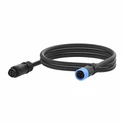
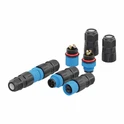
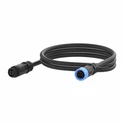
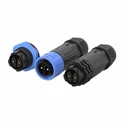
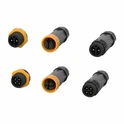
The core design philosophy of waterproof connectors lies in achieving a perfect balance between electrical performance and environmental adaptability through sophisticated engineering and materials science.Their essence is to provide stable and secure signal and power transmission solutions for electrical equipment in humid, underwater, or corrosive environments, while simultaneously meeting the dual requirements of long-term durability and ease of use.
Functionality First: Technological Breakthroughs in Sealing and Durability
The design of waterproof connectors primarily addresses sealing. A multi-layered waterproof structure-combining O-rings, thread locking mechanisms, and elastic sealants-forms a multi-layered protective barrier, ensuring IP68 and higher standards of water and dust resistance. Internal contacts utilize oxidation-resistant processes such as gold and nickel plating, combined with highly elastic alloy materials, to maintain low impedance and high reliability even under high-pressure water flow or long-term immersion. Furthermore, the structural design must also consider mechanical strength, such as impact-resistant housings and stress relief grooves to prevent seal failure due to vibration or external forces.
User-Oriented: Ease of Use and Adaptability
Modern waterproof connectors emphasize "invisible protection," simplifying the installation process while ensuring functionality. A modular plug-in design and fool-proof interfaces (such as asymmetric snap-ons) reduce the risk of misoperation, while the compact layout is suitable for space-constrained applications such as drones and medical equipment. Materials, ranging from engineering plastics to titanium alloys, are tailored to suit different application environments (such as marine salt spray and industrial acid and alkali conditions), embodying a "custom-fit" design philosophy.
Sustainability: Full Lifecycle Reliability
Excellent waterproof connectors must undergo accelerated aging tests and temperature cycling experiments to ensure that sealing performance persists after thousands of plug-in and plug-out cycles. Environmentally friendly design considerations, such as halogen-free materials and recyclable structures, are incorporated into the design, aligning with the global electronics industry's sustainable development trends.
From deep-sea probes to outdoor base stations, waterproof connector design is not just about integrating technology but also about proactively addressing the challenges of extreme environments. Its philosophy revolves around "reliable connections, unwavering."