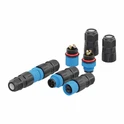
Hey there! As a supplier of Bulk Shunt Connectors, I often get asked about safety precautions when using these nifty little devices. So, I thought I'd put together this blog post to share some insights and tips to keep you safe and your connections working smoothly.
First off, let's talk about what bulk shunt connectors are. These connectors are used to distribute electrical current from a single source to multiple circuits. They're commonly used in a variety of applications, including automotive, industrial, and marine environments. They're designed to handle high currents and provide a reliable connection, but like any electrical component, they need to be used correctly to ensure safety.
Inspect Before Installation
Before you even think about installing a bulk shunt connector, you need to give it a good once-over. Check for any signs of damage, such as cracks, breaks, or bent pins. If you notice any issues, don't use the connector. A damaged connector can lead to short circuits, electrical fires, or other safety hazards.
It's also a good idea to check the specifications of the connector to make sure it's suitable for your application. Look at the voltage and current ratings, as well as the temperature range. Using a connector that's not rated for the conditions it will be exposed to can cause it to overheat and fail.
Proper Installation
Installing bulk shunt connectors correctly is crucial for safety. Make sure you follow the manufacturer's instructions carefully. This includes using the right tools and techniques for installation. For example, when tightening the screws or bolts on the connector, don't overtighten them. Overtightening can damage the connector or cause it to break.
Another important aspect of installation is making sure the wires are properly connected. Strip the insulation from the wires to the correct length and insert them into the connector securely. Loose connections can cause arcing, which is a major safety hazard.
Environmental Considerations
The environment in which the bulk shunt connector will be used can have a big impact on its safety. If the connector will be exposed to moisture, dust, or other contaminants, you need to choose a connector that's designed to withstand these conditions.
For example, our A25 3+9pin Waterproof Connector is a great option for applications where water resistance is required. It's designed to keep water out and prevent corrosion, which can damage the connector and lead to safety issues.
Similarly, our M12 2+3pin Waterproof Connector and M16 4pin Waterproof Connector are also suitable for wet or dirty environments. These connectors are built to last and provide a reliable connection even in harsh conditions.
Regular Maintenance
Once the bulk shunt connector is installed, it's important to perform regular maintenance to ensure its continued safety and performance. This includes checking the connections periodically to make sure they're still tight and secure. You should also look for any signs of wear or damage, such as corrosion or loose wires.
If you notice any issues during your maintenance checks, you need to address them immediately. This might involve replacing the connector or making repairs. Ignoring problems can lead to more serious safety issues down the road.
Overcurrent Protection
Overcurrent is a common cause of electrical problems and safety hazards. To protect your bulk shunt connectors from overcurrent, you should use appropriate fuses or circuit breakers. These devices will automatically disconnect the circuit if the current exceeds a certain level, preventing damage to the connector and other components.


Make sure you choose the right size of fuse or circuit breaker for your application. Using a fuse that's too small can cause it to blow frequently, while using a fuse that's too large can allow too much current to flow, which can damage the connector.
Training and Education
Finally, it's important to make sure that anyone who will be working with bulk shunt connectors is properly trained and educated. This includes understanding the safety precautions and proper installation procedures.
If you're not familiar with working with electrical components, it's a good idea to seek the help of a professional. They can ensure that the connectors are installed correctly and safely.
In conclusion, using bulk shunt connectors safely requires a combination of proper installation, regular maintenance, and environmental considerations. By following these safety precautions, you can ensure that your connections are reliable and safe.
If you're in the market for high-quality bulk shunt connectors, we'd love to hear from you. We offer a wide range of connectors to suit different applications and requirements. Whether you need a waterproof connector for a marine application or a high-current connector for an industrial setting, we've got you covered.
Contact us today to discuss your needs and start a procurement negotiation. We're here to help you find the right solutions for your projects.
References
- Electrical Safety Standards and Guidelines
- Manufacturer's Instructions for Bulk Shunt Connectors