Hey there! As a supplier of splitter connectors, I often get asked whether these nifty little devices can be used in industrial control systems. Well, let's dive right into it and find out!
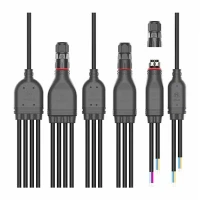
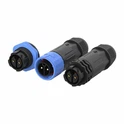
First off, what exactly is a splitter connector? In simple terms, it's a device that allows you to split a single signal or power source into multiple outputs. It's like a traffic cop for electrical signals, directing them where they need to go. We offer a range of different types of splitter connectors, such as the M15 T Type Waterproof Connector, the T Molding Type Waterproof Connector, and the Y Type Waterproof Connector. These connectors are designed to be durable, reliable, and versatile, making them suitable for a wide range of applications.
Now, let's talk about industrial control systems. These are the brains behind many manufacturing and production processes, responsible for monitoring and controlling everything from machinery to temperature and pressure. They require high levels of precision, reliability, and safety, so it's crucial to use the right components.
So, can a splitter connector be used in industrial control systems? The short answer is yes! In fact, splitter connectors can offer several benefits in these types of applications.
Benefits of Using Splitter Connectors in Industrial Control Systems
1. Flexibility
One of the biggest advantages of splitter connectors is their flexibility. They allow you to easily expand or modify your industrial control system without having to rewire the entire setup. For example, if you need to add a new sensor or actuator to your system, you can simply use a splitter connector to connect it to the existing network. This can save you time, money, and effort in the long run.
2. Cost-Effectiveness
Using splitter connectors can also be a cost-effective solution for industrial control systems. Instead of purchasing multiple individual connectors for each device, you can use a single splitter connector to distribute the signal or power to multiple devices. This can reduce the overall cost of your system and make it more affordable to implement.
3. Space-Saving
In industrial settings, space is often at a premium. Splitter connectors can help you save space by reducing the number of cables and connectors required in your system. This can make your control panel or equipment more compact and easier to manage.
4. Improved Signal Quality
Another benefit of using splitter connectors is that they can help improve the signal quality in your industrial control system. By using high-quality connectors and cables, you can minimize signal loss and interference, ensuring that your system operates smoothly and efficiently.
Considerations When Using Splitter Connectors in Industrial Control Systems
While splitter connectors can offer many benefits in industrial control systems, there are also some important considerations to keep in mind.
1. Compatibility
Before using a splitter connector in your industrial control system, it's important to ensure that it is compatible with your existing equipment and components. This includes checking the voltage, current, and signal requirements of your system, as well as the type of connectors and cables you are using.
2. Environmental Conditions
Industrial control systems are often exposed to harsh environmental conditions, such as dust, moisture, and extreme temperatures. When selecting a splitter connector, it's important to choose one that is designed to withstand these conditions. Our waterproof connectors, such as the M15 T Type Waterproof Connector and the T Molding Type Waterproof Connector, are specifically designed to provide reliable performance in wet or dusty environments.
3. Safety
Safety is always a top priority in industrial settings. When using splitter connectors in your industrial control system, it's important to ensure that they are installed and used correctly. This includes following all relevant safety standards and guidelines, as well as using proper insulation and grounding techniques.
4. Maintenance
Like any other component in your industrial control system, splitter connectors require regular maintenance to ensure optimal performance. This includes checking for loose connections, damaged cables, and signs of wear and tear. By performing regular maintenance, you can extend the lifespan of your splitter connectors and prevent costly downtime.
Real-World Examples of Splitter Connectors in Industrial Control Systems
To give you a better idea of how splitter connectors can be used in industrial control systems, let's take a look at some real-world examples.
1. Manufacturing Plants
In manufacturing plants, splitter connectors are often used to connect multiple sensors and actuators to a central control system. For example, a splitter connector can be used to distribute power and signals to multiple conveyor belts, allowing them to be controlled and monitored from a single location. This can improve efficiency, reduce downtime, and increase productivity.
2. Power Generation Facilities
In power generation facilities, splitter connectors are used to connect multiple monitoring devices to a central control system. For example, a splitter connector can be used to distribute signals from multiple temperature sensors to a control panel, allowing operators to monitor the temperature of different components in the power plant. This can help prevent overheating and ensure the safe and efficient operation of the facility.
3. Automotive Industry
In the automotive industry, splitter connectors are used to connect multiple electronic components to a vehicle's electrical system. For example, a splitter connector can be used to distribute power and signals to multiple sensors and actuators in a car's engine, allowing them to communicate with the vehicle's onboard computer. This can improve fuel efficiency, reduce emissions, and enhance the overall performance of the vehicle.
Conclusion
In conclusion, splitter connectors can be a valuable addition to industrial control systems. They offer flexibility, cost-effectiveness, space-saving, and improved signal quality, making them a popular choice for many applications. However, it's important to choose the right splitter connector for your specific needs and to ensure that it is installed and used correctly.


If you're interested in learning more about our splitter connectors or have any questions about using them in your industrial control system, please don't hesitate to get in touch. We'd be happy to discuss your requirements and help you find the best solution for your needs. Whether you're looking for a M15 T Type Waterproof Connector, a T Molding Type Waterproof Connector, or a Y Type Waterproof Connector, we've got you covered.
Let's work together to take your industrial control system to the next level!
References
- "Industrial Control Systems: A Comprehensive Guide." Industrial Automation Magazine.
- "The Benefits of Using Splitter Connectors in Industrial Applications." Electrical Engineering Journal.
- "Best Practices for Selecting and Using Connectors in Industrial Control Systems." Manufacturing Technology Review.