When it comes to electrical systems, choosing the right bulk molding connector is a critical decision that can significantly impact the performance, reliability, and safety of your project. As a trusted bulk molding connector supplier, I understand the complexities involved in this selection process. In this blog post, I'll share some key factors to consider when choosing the right bulk molding connector for your specific needs.
Understanding Bulk Molding Connectors
Bulk molding connectors are designed to provide a secure and reliable connection between electrical components. They are commonly used in a wide range of applications, including automotive, industrial, and consumer electronics. These connectors are typically made from high-quality materials such as thermoplastics, which offer excellent mechanical and electrical properties.
One of the main advantages of bulk molding connectors is their ability to be customized to meet specific requirements. They can be designed with different shapes, sizes, and configurations to fit the unique needs of your project. Additionally, bulk molding connectors can be molded with various features such as seals, gaskets, and locking mechanisms to ensure a watertight and secure connection.
Factors to Consider When Choosing a Bulk Molding Connector
1. Application Requirements
The first step in choosing the right bulk molding connector is to understand the specific requirements of your application. Consider factors such as the type of electrical signals being transmitted, the voltage and current ratings, and the environmental conditions in which the connector will be used. For example, if your application requires a high-speed data transmission, you'll need a connector that can support the required data rate. On the other hand, if the connector will be exposed to harsh environmental conditions such as moisture, dust, or extreme temperatures, you'll need a connector that is designed to withstand these conditions.
2. Connector Type
There are several types of bulk molding connectors available on the market, each with its own unique features and benefits. Some of the most common types include:
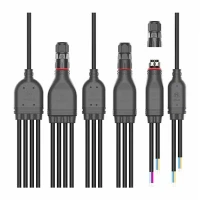
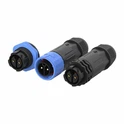
- M15 F Type Waterproof Connector: This type of connector is designed for applications that require a waterproof and dustproof connection. It features a compact design and is suitable for use in a wide range of industries, including automotive, marine, and industrial. M15 F Type Waterproof Connector
- Y Type Waterproof Connector: The Y type waterproof connector is a versatile connector that can be used in a variety of applications. It features a Y-shaped design that allows for multiple connections to be made from a single point. This type of connector is commonly used in automotive and industrial applications. Y Type Waterproof Connector
- T Molding Type Waterproof Connector: The T molding type waterproof connector is designed for applications that require a high level of protection against moisture and dust. It features a T-shaped design that provides a secure and watertight connection. This type of connector is commonly used in outdoor and marine applications. T Molding Type Waterproof Connector
3. Material and Construction
The material and construction of the bulk molding connector are also important factors to consider. The connector should be made from high-quality materials that offer excellent mechanical and electrical properties. Common materials used in the manufacturing of bulk molding connectors include thermoplastics, such as polycarbonate and nylon, which offer good strength, durability, and chemical resistance.
In addition to the material, the construction of the connector should also be considered. Look for connectors that are designed with a robust housing and a reliable locking mechanism to ensure a secure and stable connection. The connector should also be easy to install and remove, especially if it will need to be replaced or serviced in the future.
4. Compatibility
Another important factor to consider when choosing a bulk molding connector is compatibility. The connector should be compatible with the electrical components and systems that it will be used with. This includes ensuring that the connector has the correct pin configuration, voltage and current ratings, and signal compatibility.
Before purchasing a connector, it's important to check the specifications of the electrical components and systems to ensure that the connector is a suitable match. If you're unsure about the compatibility of a particular connector, it's always a good idea to consult with a professional or the manufacturer of the connector.
5. Cost
Cost is always a consideration when choosing any product, and bulk molding connectors are no exception. While it's important to choose a connector that meets your requirements, it's also important to consider the cost. Compare the prices of different connectors from different suppliers to ensure that you're getting the best value for your money.
However, it's important to note that the cheapest option may not always be the best option. Consider the quality, reliability, and performance of the connector in addition to the cost. A high-quality connector may cost more upfront, but it can save you money in the long run by reducing the risk of downtime and maintenance costs.
Conclusion
Choosing the right bulk molding connector is a critical decision that can have a significant impact on the performance, reliability, and safety of your electrical system. By considering the factors outlined in this blog post, you can make an informed decision and choose a connector that meets your specific requirements.


As a bulk molding connector supplier, I'm committed to providing high-quality connectors that are designed to meet the needs of a wide range of applications. If you have any questions or need help choosing the right connector for your project, please don't hesitate to contact me. I'll be happy to assist you in finding the perfect solution for your needs.
If you're interested in purchasing bulk molding connectors, I invite you to contact me to discuss your requirements and explore our product offerings. Our team of experts is ready to assist you in finding the right connector for your project and providing you with the best possible service.
References
- "Electrical Connector Handbook" by John W. McDonald
- "Connectors for Electronic Systems" by Charles P. Coombs Jr.
- Industry standards and specifications related to bulk molding connectors.