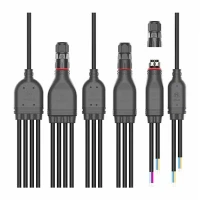
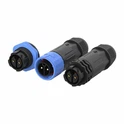
Shunt connectors play a crucial role in various electrical and electronic systems, providing a reliable path for current flow. As a shunt connectors supplier, we understand the significance of proper handling during transportation to ensure that these components reach our customers in optimal condition. In this blog post, I'll share some essential tips and best practices on how to handle shunt connectors during transportation.
Understanding Shunt Connectors and Their Vulnerabilities
Before delving into transportation handling, it's important to understand what shunt connectors are and what makes them susceptible to damage. Shunt connectors are typically made of conductive materials such as copper or aluminum, and they are designed to carry specific amounts of current. They often have precise electrical characteristics that need to be maintained for proper functioning.
During transportation, shunt connectors can be exposed to a variety of hazards, including mechanical shock, vibration, moisture, and temperature fluctuations. Mechanical shock can cause physical damage to the connector's structure, such as bending or breaking of the conductive elements. Vibration can loosen connections or cause internal components to shift, which may affect the electrical performance. Moisture can lead to corrosion, especially in connectors made of metals that are prone to oxidation. Temperature fluctuations can cause thermal expansion and contraction, which can also impact the integrity of the connector.


Pre - Transportation Preparation
Packaging Design
The first step in ensuring safe transportation of shunt connectors is to design appropriate packaging. The packaging should provide sufficient protection against mechanical shock, vibration, and moisture. For small shunt connectors, individual plastic bags with anti - static properties can be used to prevent electrostatic discharge (ESD) damage. These bags can then be placed in a foam - lined box to absorb shock and vibration.
For larger shunt connectors or bulk shipments, custom - designed packaging may be required. The packaging should be made of sturdy materials such as corrugated cardboard or plastic. It can include internal dividers or compartments to keep the connectors separated and prevent them from rubbing against each other. Additionally, shock - absorbing materials like bubble wrap or foam inserts can be used to cushion the connectors.
Labeling
Proper labeling is essential for the transportation of shunt connectors. Each package should be clearly labeled with the product name, model number, quantity, and any special handling instructions. Labels can also include warnings about ESD sensitivity, moisture protection requirements, and the need for careful handling. This information helps carriers and handlers understand the nature of the product and take appropriate precautions.
Documentation
Accurate documentation is another important aspect of pre - transportation preparation. This includes packing lists, invoices, and any necessary shipping documents. The packing list should detail the contents of each package, including the number and type of shunt connectors. Invoices should clearly state the value of the shipment, which is important for insurance purposes. Shipping documents, such as bill of lading or airway bill, should be filled out correctly to ensure smooth transit.
During Transportation
Choosing the Right Carrier
Selecting a reliable carrier is crucial for the safe transportation of shunt connectors. Look for carriers that have a good track record in handling sensitive electronic components. They should have proper handling procedures in place to minimize the risk of damage during transit. Consider carriers that offer temperature - controlled shipping options if your shunt connectors are sensitive to temperature variations.
Monitoring the Shipment
If possible, use tracking systems to monitor the shipment of shunt connectors. Real - time tracking allows you to keep an eye on the location and status of the package. Some tracking systems can also provide information about environmental conditions such as temperature and humidity during transit. If any problems are detected, you can take immediate action to address them.
Handling at Transfer Points
During transportation, shunt connectors may pass through multiple transfer points, such as warehouses or distribution centers. At these points, it's important that the carriers follow proper handling procedures. They should avoid rough handling, excessive stacking, or exposure to harsh environmental conditions. The connectors should be stored in a clean, dry, and temperature - controlled area until they are ready to be shipped to the next destination.
Special Considerations for Different Shunt Connector Types
T Molding Type Waterproof Connector
The T Molding Type Waterproof Connector is designed to provide a waterproof connection. When transporting these connectors, it's important to ensure that the waterproof seals remain intact. The packaging should be designed to prevent any pressure or impact that could damage the seals. Additionally, the connectors should be protected from moisture during transit.
M15 T Type Waterproof Connector
The M15 T Type Waterproof Connector follows similar principles as the T Molding Type. However, due to its specific size and design, it may require custom - fitting packaging to ensure a snug fit and prevent movement during transportation. The packaging should also protect the connector's pins and sockets from bending or damage.
Y Type Waterproof Connector
For the Y Type Waterproof Connector, the unique Y - shaped design requires special attention. The packaging should be designed to support the shape and prevent any distortion. Similar to other waterproof connectors, protecting the waterproof features and preventing moisture ingress are top priorities.
Post - Transportation Inspection
Once the shunt connectors reach their destination, it's important to conduct a thorough inspection. The inspection should include a visual check for any physical damage, such as cracks, bends, or broken parts. Electrical testing can also be performed to ensure that the connectors still meet the required electrical specifications.
If any damage is detected, it's important to document the findings and contact the carrier and insurance provider immediately. This will help in the claims process and ensure that the customer receives a replacement or compensation for the damaged items.
Why Choose Our Shunt Connectors and Transportation Services
As a shunt connectors supplier, we are committed to providing high - quality products and reliable transportation services. Our shunt connectors are manufactured using the latest technology and strict quality control measures to ensure optimal performance. We pay great attention to the transportation process, from pre - transportation preparation to post - transportation inspection.
If you are in the market for shunt connectors, we invite you to contact us to discuss your specific requirements. Our team of experts can provide you with detailed information about our products and how we handle transportation to ensure that you receive your connectors in the best possible condition. Whether you need a small quantity for a prototype or a large volume for a production project, we are here to serve you.
References
- Electrical Engineering Handbook, Third Edition, Edited by Richard C. Dorf
- Packaging and Shipping of Electronic Components, Industry Best Practices Guide