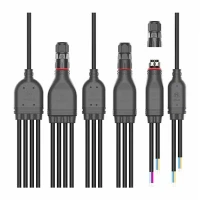
Bulk molding connectors are widely used in various electrical and electronic systems. However, in many applications, especially those in harsh environments, ensuring the waterproof performance of these connectors is crucial. As a bulk molding connector supplier, I'd like to share some effective methods to make bulk molding connectors waterproof.
Understanding the Basics of Waterproofing
Before delving into the specific waterproofing methods, it's essential to understand the basic principles of waterproofing. Water can penetrate connectors through various pathways, such as gaps between connector parts, cable entry points, and seals. To prevent water ingress, we need to block these pathways and create a tight seal.
Selecting the Right Materials
The choice of materials is fundamental in making a bulk molding connector waterproof. High - quality plastics and elastomers are often used for the connector housing and seals. For example, polycarbonate is a popular choice for connector housings due to its excellent mechanical strength, chemical resistance, and weatherability. Elastomers like silicone rubber are commonly used for seals because of their high elasticity, low compression set, and good resistance to water and chemicals.
When selecting materials, it's also important to consider their compatibility with each other. Incompatible materials may react chemically, leading to degradation of the seal and reduced waterproof performance over time.
Designing for Waterproofing
The design of the bulk molding connector plays a significant role in its waterproof capabilities. Here are some key design considerations:
Sealing Mechanisms
- O - rings: O - rings are one of the most common sealing elements used in connectors. They are placed in grooves around the mating surfaces of the connector to create a tight seal when the connector is assembled. The size, material, and cross - section of the O - ring need to be carefully selected to ensure proper sealing. For example, a larger cross - section O - ring may provide better sealing, but it may also require more force to assemble the connector.
- Gaskets: Gaskets can be used in addition to or instead of O - rings, especially for larger connectors or those with irregular mating surfaces. Gaskets are typically made of elastomeric materials and are designed to fill the gaps between the connector parts.
Cable Entry Design
- Cable glands: Cable glands are used to seal the cable entry point of the connector. They provide a tight seal around the cable, preventing water from entering the connector along the cable. There are different types of cable glands available, such as compression glands and strain - relief glands. Compression glands work by compressing a seal around the cable when tightened, while strain - relief glands not only seal the cable but also provide strain relief to prevent the cable from being pulled out of the connector.
- Potting: Potting is a process where a liquid resin is poured into the connector housing to encapsulate the internal components and the cable entry point. The resin cures to form a solid, waterproof block. Potting can provide excellent waterproofing, but it may also make the connector more difficult to repair or modify.
Manufacturing Processes for Waterproof Connectors
The manufacturing processes used to produce bulk molding connectors can also affect their waterproof performance.
Molding Techniques
- Injection molding: Injection molding is a common process for manufacturing connector housings. During injection molding, the plastic material is melted and injected into a mold cavity under high pressure. To ensure a waterproof housing, the mold design needs to be precise, and the injection parameters, such as temperature, pressure, and injection speed, need to be carefully controlled. Any defects in the molding process, such as air bubbles or flash, can compromise the waterproof performance of the connector.
- Overmolding: Overmolding is a process where a second layer of material is molded over an existing component. In the case of connectors, overmolding can be used to add a waterproof layer or a seal around the connector. For example, an elastomeric material can be overmolded onto a plastic connector housing to create a waterproof seal at the mating interface.
Assembly and Testing
- Proper assembly: During the assembly of the connector, all components need to be installed correctly. This includes ensuring that the O - rings are properly seated in their grooves, the gaskets are in place, and the cable glands are tightened to the correct torque. Any improper assembly can lead to leaks and reduced waterproof performance.
- Testing: After assembly, the connectors need to be tested for waterproof performance. Common testing methods include immersion testing, where the connector is submerged in water for a specified period, and pressure testing, where a pressure is applied to the connector to simulate real - world conditions. Only connectors that pass these tests should be released for use.
Examples of Waterproof Bulk Molding Connectors
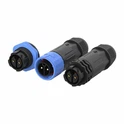
As a bulk molding connector supplier, we offer a range of waterproof connectors, such as the M25 2pin Waterproof Connector, the M16 5pin Waterproof Connector, and the A25 5pin Waterproof Connector. These connectors are designed and manufactured using the latest waterproofing technologies and materials to ensure reliable performance in wet and harsh environments.
Maintenance and Inspection
Even with the best waterproofing design and manufacturing, regular maintenance and inspection of the connectors are necessary to ensure their long - term waterproof performance.
- Visual inspection: Regularly check the connectors for any signs of damage, such as cracks in the housing, worn - out seals, or loose cable glands. Any damaged components should be replaced immediately.
- Cleaning: Clean the connectors periodically to remove dirt, debris, and contaminants that may affect the sealing performance. Use a mild cleaning agent and a soft brush or cloth to clean the connectors.
Conclusion
Making a bulk molding connector waterproof requires a comprehensive approach that includes selecting the right materials, designing for waterproofing, using appropriate manufacturing processes, and performing regular maintenance and inspection. As a bulk molding connector supplier, we are committed to providing high - quality waterproof connectors that meet the needs of our customers in various industries.
If you are interested in our waterproof bulk molding connectors or have any questions about waterproofing technology, please feel free to contact us for procurement and further discussions. We look forward to working with you to find the best connector solutions for your applications.


References
- "Handbook of Sealant Technology" by Robert M. Evans
- "Connector Handbook" by Ronald B. Standley