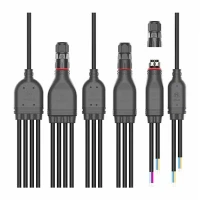
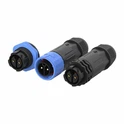
Selecting the appropriate cable for an F type connector is a crucial decision that can significantly impact the performance and reliability of your electrical or electronic systems. As a trusted F type connector supplier, I understand the importance of this choice and am here to guide you through the process. In this blog post, I will share valuable insights and considerations to help you make an informed decision when choosing the right cable for your F type connectors.
Understanding F Type Connectors
Before delving into cable selection, it's essential to have a basic understanding of F type connectors. F type connectors are widely used in coaxial cable applications, particularly in television, radio, and broadband communication systems. They are known for their simplicity, reliability, and ease of installation. F type connectors are typically used to connect coaxial cables to devices such as TVs, satellite receivers, cable modems, and antennas.
Key Considerations for Cable Selection
When selecting a cable for an F type connector, several factors need to be taken into account. These factors include:
- Cable Type: There are different types of coaxial cables available, each with its own characteristics and applications. The most common types are RG-6, RG-59, and RG-11. RG-6 is the most widely used cable for residential and commercial applications due to its excellent performance and cost-effectiveness. RG-59 is suitable for low-frequency applications, while RG-11 is used for high-frequency and long-distance applications.
- Cable Impedance: The impedance of a cable refers to its electrical resistance to the flow of alternating current. F type connectors are designed to work with cables that have an impedance of 75 ohms. It is crucial to ensure that the cable you choose has the correct impedance to avoid signal loss and interference.
- Cable Attenuation: Attenuation is the loss of signal strength as it travels through the cable. It is measured in decibels per unit length (dB/ft or dB/m). A cable with low attenuation will allow the signal to travel longer distances without significant loss. When selecting a cable, consider the distance between the source and the destination and choose a cable with an appropriate attenuation rating.
- Cable Shielding: Shielding is essential to protect the signal from electromagnetic interference (EMI) and radio frequency interference (RFI). Coaxial cables typically have a shield made of aluminum foil or braided copper. The shielding effectiveness is measured in decibels (dB). A higher shielding effectiveness means better protection against interference.
- Cable Flexibility: Depending on your application, you may need a cable that is flexible and easy to bend. Flexible cables are ideal for installations where the cable needs to be routed around corners or through tight spaces. However, keep in mind that flexible cables may have a higher attenuation compared to rigid cables.
- Cable Temperature Rating: The temperature rating of a cable indicates the maximum and minimum temperatures at which it can operate safely. It is important to choose a cable with a temperature rating that is suitable for the environment in which it will be installed. Extreme temperatures can affect the performance and lifespan of the cable.
Matching Cable with Connector
Once you have considered the above factors, the next step is to match the cable with the F type connector. Here are some tips to ensure a proper match:
- Cable Diameter: The diameter of the cable should be compatible with the F type connector. Most F type connectors are designed to work with cables of a specific diameter range. Make sure to check the specifications of the connector and choose a cable that falls within the recommended diameter range.
- Cable Jacket: The cable jacket should be able to fit snugly into the connector. Some connectors have a compression fitting that requires the cable jacket to be stripped back to a specific length. Others have a screw-on fitting that can accommodate a wider range of cable jacket thicknesses.
- Connector Type: There are different types of F type connectors available, including male, female, and right-angle connectors. Choose the connector type that is appropriate for your application. For example, a right-angle connector may be more suitable if you need to make a connection in a tight space.
Additional Considerations
In addition to the above factors, there are a few other things to keep in mind when selecting a cable for an F type connector:


- Quality and Brand: It is always recommended to choose a high-quality cable from a reputable brand. A good quality cable will have better performance, durability, and reliability. Look for cables that are certified by recognized standards organizations such as UL (Underwriters Laboratories) or FCC (Federal Communications Commission).
- Cost: While cost is an important consideration, it should not be the only factor when choosing a cable. A cheaper cable may save you money upfront, but it may not provide the same level of performance and reliability as a more expensive cable. Consider the long-term benefits and choose a cable that offers the best value for your money.
- Installation: Proper installation of the cable and connector is crucial for optimal performance. Make sure to follow the manufacturer's instructions carefully and use the appropriate tools. Improper installation can lead to signal loss, interference, and even damage to the cable and connector.
Related Products
If you are looking for other types of connectors, we also offer a wide range of waterproof connectors, including RJ45 Waterproof Connector, M20 Straight Type Waterproof Connector, and M27 Straight Type Waterproof Connector. These connectors are designed to provide reliable and waterproof connections in harsh environments.
Conclusion
Selecting the appropriate cable for an F type connector is a critical step in ensuring the performance and reliability of your electrical or electronic systems. By considering factors such as cable type, impedance, attenuation, shielding, flexibility, and temperature rating, you can choose a cable that meets your specific requirements. Remember to match the cable with the connector and follow the manufacturer's instructions for proper installation. If you have any questions or need further assistance, please feel free to contact us. We are here to help you make the right choice for your F type connector applications.
References
- Coaxial Cable Basics. Available at: https://www.te.com/usa-en/industries/communications/coaxial-cable-basics.html
- F Type Connector Guide. Available at: https://www.cablewholesale.com/guides/f-type-connector-guide/
- How to Choose the Right Coaxial Cable. Available at: https://www.hunker.com/13419364/how-to-choose-the-right-coaxial-cable