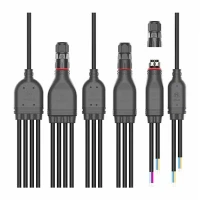
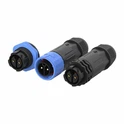
As a supplier of Bulk parallel connectors, ensuring the quality and performance of our products is of utmost importance. One crucial aspect of connector performance is contact resistance. Contact resistance can significantly affect the electrical conductivity and overall functionality of a connector. In this blog, I will share with you how to test the contact resistance of a Bulk parallel connector.
Understanding Contact Resistance
Before diving into the testing methods, it's essential to understand what contact resistance is. Contact resistance is the resistance encountered at the interface between two conductors in contact. In the case of a Bulk parallel connector, it refers to the resistance between the mating contacts. High contact resistance can lead to power loss, overheating, and signal degradation, which can ultimately impact the performance of the entire electrical system.
Factors Affecting Contact Resistance
Several factors can influence the contact resistance of a Bulk parallel connector:
- Surface Finish: The surface finish of the contacts plays a vital role. A smooth, clean surface with a proper plating can reduce contact resistance. For example, gold plating is often used due to its excellent conductivity and corrosion resistance.
- Contact Force: Adequate contact force is necessary to ensure good electrical contact. Insufficient contact force can result in high contact resistance.
- Contamination: Dust, dirt, and oxidation on the contact surfaces can increase contact resistance. Therefore, proper handling and storage of connectors are crucial.
- Material Properties: The materials used for the contacts also affect contact resistance. Different metals have different electrical conductivities.
Testing Equipment
To test the contact resistance of a Bulk parallel connector, you will need the following equipment:
- Digital Multimeter: A high - precision digital multimeter is essential for measuring resistance. Make sure it has a low resistance measurement range.
- Power Supply: A stable power supply is required to provide the necessary current for the test.
- Test Fixture: A custom - made test fixture is often used to hold the connector securely and make proper electrical connections.
Testing Procedures
Step 1: Preparation
- Inspect the Connector: Before testing, visually inspect the Bulk parallel connector for any visible damage, such as bent pins or scratches on the contact surfaces. If any damage is found, the connector may not be suitable for use and should be replaced.
- Clean the Contacts: Use a suitable cleaning agent to remove any contaminants from the contact surfaces. For example, isopropyl alcohol can be used to clean the contacts gently. After cleaning, allow the contacts to dry completely.
- Set up the Test Fixture: Place the connector in the test fixture. Ensure that the test fixture makes proper electrical contact with all the pins of the connector. Connect the test fixture to the power supply and the digital multimeter.
Step 2: Measuring the Resistance
- Apply a Test Current: Connect the power supply to the test fixture and apply a known current to the connector. The current value should be within the rated current of the connector. For example, if the connector is rated for 1A, you can apply a current of 0.5A for the test.
- Measure the Voltage Drop: Use the digital multimeter to measure the voltage drop across the contacts. Place the multimeter probes on the appropriate pins of the connector. Record the voltage drop value.
- Calculate the Contact Resistance: According to Ohm's law (R = V / I), where R is the resistance, V is the voltage drop, and I is the test current. Calculate the contact resistance using the measured voltage drop and the applied test current.
Step 3: Repeat the Measurement
To ensure the accuracy of the measurement, repeat the above steps several times. Take the average of the measured resistance values. This can help reduce the measurement error caused by factors such as contact fluctuations.
Step 4: Comparison with Specifications
Compare the measured contact resistance with the manufacturer's specifications. If the measured resistance is within the specified range, the connector passes the test. If the resistance is higher than the specified value, further investigation is needed to determine the cause.
Special Considerations for Different Connector Types
We offer a variety of Bulk parallel connectors, such as the M18 Straight Type Waterproof Connector, M27 Straight Type Waterproof Connector, and M20 T Type Waterproof Connector. When testing these connectors, special attention should be paid to their waterproof features.


- Waterproof Connectors: For waterproof connectors, make sure that the sealing rings are intact and properly installed. Any damage to the sealing rings can lead to water ingress, which can increase contact resistance over time.
- Environmental Conditions: Waterproof connectors are often used in harsh environments. Therefore, it's advisable to test the contact resistance under different environmental conditions, such as high humidity and temperature, to ensure their reliability.
Importance of Contact Resistance Testing
Contact resistance testing is crucial for several reasons:
- Quality Assurance: By testing the contact resistance, we can ensure that our Bulk parallel connectors meet the required quality standards. This helps us to deliver high - quality products to our customers.
- Reliability: Low contact resistance is essential for the reliable operation of electrical systems. High contact resistance can cause system failures, which can be costly and dangerous.
- Customer Satisfaction: Ensuring that our connectors have low contact resistance can improve customer satisfaction. Customers rely on our connectors to perform well in their applications.
Conclusion
Testing the contact resistance of a Bulk parallel connector is a critical step in ensuring its quality and performance. By following the proper testing procedures and using the right equipment, we can accurately measure the contact resistance and identify any potential issues. As a supplier, we are committed to providing high - quality connectors with low contact resistance. If you are interested in our Bulk parallel connectors or have any questions about contact resistance testing, please feel free to contact us for further discussion and procurement.
References
- "Electrical Connector Handbook" by Ronald B. Standley.
- Technical documents provided by connector manufacturers.