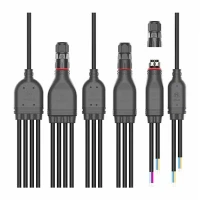
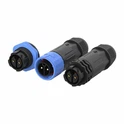
As a seasoned supplier of cable connectors, I've witnessed firsthand the transformative impact these components have on various industries. Cable connectors are the unsung heroes of modern technology, enabling seamless power and data transmission across a wide range of applications. In this blog post, I'll delve into the numerous advantages of using cable connectors and why they are essential for any project requiring reliable connectivity.
1. Enhanced Flexibility and Modularity
One of the primary advantages of cable connectors is their ability to provide flexibility and modularity in system design. Unlike permanent wiring solutions, cable connectors allow for easy installation, removal, and replacement of components. This modularity makes it possible to adapt systems to changing requirements, upgrade equipment, or troubleshoot issues quickly. For example, in industrial automation, cable connectors enable the easy reconfiguration of production lines, reducing downtime and increasing productivity.
2. Improved Reliability and Durability
Cable connectors are designed to provide a secure and reliable connection, even in harsh environments. They are engineered to withstand mechanical stress, temperature variations, and exposure to dust, moisture, and chemicals. This durability ensures that the connection remains stable over time, reducing the risk of signal loss, power interruptions, or equipment failure. For instance, T Molding Type Waterproof Connector are specifically designed to protect against water ingress, making them ideal for outdoor and underwater applications.
3. Simplified Installation and Maintenance
Another significant advantage of cable connectors is their ease of installation and maintenance. Unlike soldering or welding, which require specialized skills and equipment, cable connectors can be installed quickly and easily using basic hand tools. This simplicity not only reduces installation time and costs but also makes it easier to perform routine maintenance and repairs. Additionally, cable connectors can be easily replaced if they become damaged or worn out, minimizing downtime and ensuring continuous operation.
4. Compatibility and Standardization
Cable connectors are available in a wide range of sizes, shapes, and configurations, making them compatible with various devices and systems. They are also designed to meet industry standards, ensuring interoperability and compatibility between different components. This standardization simplifies the design and integration of systems, reduces the risk of compatibility issues, and makes it easier to source replacement parts. For example, Y Type Waterproof Connector are commonly used in automotive and marine applications, where they provide a reliable and standardized connection for power and data transmission.
5. Cost-Effectiveness
In addition to their technical advantages, cable connectors are also cost-effective. They are generally less expensive than permanent wiring solutions, especially for complex or large-scale projects. Cable connectors also reduce the cost of installation, maintenance, and repair, as they can be easily installed and replaced without the need for specialized skills or equipment. Furthermore, the modularity and flexibility of cable connectors allow for future expansion and upgrades, reducing the need for costly system overhauls.
6. Safety and Protection
Cable connectors play a crucial role in ensuring the safety and protection of electrical systems. They are designed to prevent electrical shock, short circuits, and other hazards by providing a secure and insulated connection. Many cable connectors also feature additional safety features, such as locking mechanisms, strain relief, and overvoltage protection. For example, M15 T Type Waterproof Connector are designed to provide a high level of protection against water and dust ingress, making them suitable for use in hazardous environments.
7. Signal Integrity
In applications where data transmission is critical, cable connectors are essential for maintaining signal integrity. They are designed to minimize signal loss, interference, and distortion, ensuring that data is transmitted accurately and reliably. Cable connectors also provide shielding to protect against electromagnetic interference (EMI) and radio frequency interference (RFI), which can degrade the quality of the signal. This is particularly important in high-speed data transmission applications, such as telecommunications, networking, and industrial automation.


8. Customization and Specialization
As a cable connector supplier, I understand that every project has unique requirements. That's why we offer a wide range of customization options to meet the specific needs of our customers. We can customize cable connectors in terms of size, shape, color, material, and performance characteristics to ensure that they are perfectly suited for your application. Whether you need a connector for a specific industry, environment, or application, we can work with you to develop a customized solution that meets your requirements.
Conclusion
In conclusion, the advantages of using cable connectors are numerous and significant. From enhanced flexibility and modularity to improved reliability and durability, cable connectors offer a wide range of benefits that make them essential for any project requiring reliable connectivity. Whether you're working on an industrial automation system, a telecommunications network, or a consumer electronics device, cable connectors can help you achieve your goals more efficiently and effectively.
If you're interested in learning more about our cable connector products or discussing your specific requirements, please don't hesitate to contact us. Our team of experts is always available to provide you with the information and support you need to make the right decision for your project. We look forward to working with you to find the perfect cable connector solution for your needs.
References
- "Cable Connectors: A Comprehensive Guide." Electronics Notes.
- "Advantages of Using Cable Connectors in Industrial Applications." Industrial Automation Journal.
- "The Importance of Signal Integrity in Cable Connectors." Telecommunications Magazine.