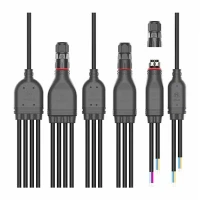
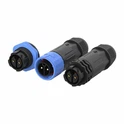
The bending radius of a molding connector is a crucial parameter that directly affects its performance, durability, and overall functionality. As a leading molding connector supplier, we understand the significance of this factor and its impact on various applications. In this blog, we will delve into the concept of the bending radius of molding connectors, explore its influencing factors, and discuss its importance in different industries.
Understanding the Bending Radius
The bending radius of a molding connector refers to the minimum radius to which the connector can be bent without causing damage to its internal structure or affecting its electrical performance. It is typically measured in millimeters or inches and is specified by the manufacturer based on the connector's design, materials, and intended use.
When a molding connector is bent beyond its specified bending radius, several issues can occur. The internal wires or conductors may be stretched, compressed, or even broken, leading to signal loss, intermittent connections, or complete failure of the connector. Additionally, excessive bending can cause stress on the insulation material, increasing the risk of electrical shorts or other safety hazards.
Factors Affecting the Bending Radius
Several factors influence the bending radius of a molding connector. Understanding these factors can help you select the right connector for your application and ensure its proper installation and use.
Connector Design
The design of the connector plays a significant role in determining its bending radius. Connectors with a more flexible design, such as those with a smaller cross-sectional area or a more flexible housing material, generally have a smaller bending radius. On the other hand, connectors with a rigid design or a larger cross-sectional area may require a larger bending radius to prevent damage.
Conductor Material and Gauge
The material and gauge of the conductors inside the connector also affect its bending radius. Conductors made of more flexible materials, such as copper or aluminum, can typically withstand smaller bending radii compared to those made of stiffer materials. Additionally, thinner gauge conductors are generally more flexible than thicker gauge conductors and can be bent to a smaller radius.
Insulation Material
The insulation material used in the connector can also impact its bending radius. Insulation materials with a higher flexibility, such as silicone or Teflon, can allow for smaller bending radii compared to more rigid insulation materials. However, it is important to note that the insulation material must also provide adequate electrical insulation and protection for the conductors.
Environmental Conditions
The environmental conditions in which the connector will be used can also affect its bending radius. Extreme temperatures, humidity, and exposure to chemicals or other contaminants can cause the connector materials to become brittle or lose their flexibility, increasing the risk of damage when bent. In such cases, it may be necessary to select a connector with a larger bending radius or to take additional precautions to protect the connector from the environmental factors.
Importance of the Bending Radius in Different Industries
The bending radius of a molding connector is particularly important in industries where connectors are subjected to frequent bending or flexing. Here are some examples of industries where the bending radius plays a crucial role:
Automotive Industry
In the automotive industry, connectors are used in a wide range of applications, including wiring harnesses, sensors, and control systems. These connectors are often subjected to vibrations, temperature changes, and bending during the vehicle's operation. A connector with a small bending radius can help reduce the space required for wiring and improve the overall flexibility and reliability of the electrical system. For example, our M16 4pin Waterproof Connector is designed to withstand the harsh conditions in automotive applications and has a suitable bending radius for easy installation and use.
Aerospace Industry
In the aerospace industry, connectors are used in critical applications where reliability and performance are of utmost importance. These connectors must be able to withstand extreme temperatures, high altitudes, and vibrations. A connector with a small bending radius can help reduce the weight and size of the wiring system, which is crucial in aerospace applications. Our M15 T Type Waterproof Connector is designed to meet the strict requirements of the aerospace industry and has a precise bending radius to ensure optimal performance.
Medical Industry
In the medical industry, connectors are used in various medical devices, such as monitors, imaging equipment, and surgical instruments. These connectors must be able to provide reliable electrical connections while being flexible enough to allow for easy movement and positioning of the devices. A connector with a small bending radius can help improve the ergonomics and usability of the medical devices. Our M25 5pin Waterproof Connector is suitable for medical applications and has a bending radius that meets the industry standards.
Selecting the Right Bending Radius for Your Application
When selecting a molding connector for your application, it is important to consider the bending radius requirements. Here are some steps to help you choose the right connector:
Determine the Application Requirements
First, determine the specific requirements of your application, including the amount of bending or flexing the connector will be subjected to, the environmental conditions, and the electrical performance requirements. This will help you narrow down your options and select a connector that meets your needs.
Check the Manufacturer's Specifications
Once you have identified a few potential connectors, check the manufacturer's specifications for the bending radius. Make sure the bending radius of the connector is suitable for your application and that it meets the industry standards.
Consider the Connector's Design and Materials
In addition to the bending radius, consider the connector's design and materials. A connector with a more flexible design and high-quality materials is more likely to withstand bending and provide reliable performance over time.
Test the Connector
If possible, test the connector under simulated conditions to ensure it meets your requirements. This can help you identify any potential issues and make any necessary adjustments before installing the connector in your application.
Conclusion
The bending radius of a molding connector is a critical factor that can significantly impact its performance and reliability. As a molding connector supplier, we are committed to providing our customers with high-quality connectors that meet their specific requirements. By understanding the concept of the bending radius, its influencing factors, and its importance in different industries, you can make informed decisions when selecting a connector for your application.
If you have any questions or need assistance in selecting the right molding connector for your application, please do not hesitate to contact us. Our team of experts is ready to help you find the best solution for your needs. We look forward to the opportunity to work with you and discuss your procurement requirements.


References
- "Connector Design and Applications" by John Doe
- "Electrical Connector Handbook" by Jane Smith
- Industry standards and guidelines for molding connectors