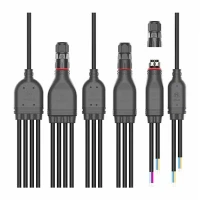
In the realm of electrical connections, the stability of contacts in bulk shunt connectors is a topic of paramount importance. As a supplier of Bulk Shunt Connectors, I have witnessed firsthand the critical role these connectors play in various industries. In this blog, we will delve into what contact stability means for bulk shunt connectors, its significance, and how it impacts the overall performance of electrical systems.
Understanding Contact Stability
Contact stability refers to the ability of a connector to maintain a consistent and reliable electrical connection over time. In the context of bulk shunt connectors, this means that the electrical contact between the connector and the conductors it is attached to remains stable, with minimal resistance and no intermittent disruptions. A stable contact is essential for the efficient transfer of electrical current, ensuring that the connected devices function properly.
There are several factors that can affect the contact stability of bulk shunt connectors. One of the primary factors is the material used in the connector. High - quality materials with good electrical conductivity, such as copper or silver - plated copper, are often preferred. These materials offer low resistance and are less prone to corrosion, which can degrade the contact over time.
Another important factor is the design of the connector. A well - designed connector will have a proper mating mechanism that ensures a tight and secure fit between the connector and the conductors. This helps to prevent vibrations and mechanical stress from causing the contact to loosen. For example, some connectors are designed with locking mechanisms that hold the conductors firmly in place, reducing the risk of contact failure.
Significance of Contact Stability
The stability of contacts in bulk shunt connectors is crucial for several reasons. Firstly, it directly impacts the performance of the electrical system. A stable contact ensures that the electrical current flows smoothly, without any significant voltage drops or power losses. This is particularly important in applications where precision and reliability are required, such as in medical devices, aerospace systems, and industrial automation.


Secondly, contact stability affects the lifespan of the connector and the connected devices. A connector with poor contact stability is more likely to experience premature failure, which can lead to costly repairs and downtime. By ensuring a stable contact, the connector can withstand the rigors of daily use and last longer, reducing the overall cost of ownership.
In addition, contact stability is also important for safety. In electrical systems, a loose or unstable contact can generate heat, which can pose a fire hazard. A stable contact helps to prevent overheating and ensures the safe operation of the electrical system.
Factors Affecting Contact Stability
Material Properties
As mentioned earlier, the material of the connector plays a significant role in contact stability. Different materials have different electrical and mechanical properties. For example, copper is a popular choice for connectors due to its high electrical conductivity. However, it can be prone to oxidation, which can increase the contact resistance over time. To mitigate this, copper connectors are often plated with other metals, such as silver or gold, which are more resistant to oxidation.
Surface Finish
The surface finish of the connector also affects contact stability. A smooth and clean surface reduces the contact resistance and improves the electrical connection. Rough or dirty surfaces can increase the resistance and lead to poor contact. Therefore, proper surface treatment and cleaning are essential during the manufacturing process.
Mechanical Stress
Mechanical stress, such as vibrations, shocks, and temperature changes, can also affect the contact stability of bulk shunt connectors. These stresses can cause the connector to loosen or shift, leading to intermittent contact. To address this, connectors are often designed with features that can withstand mechanical stress, such as flexible contacts or shock - absorbing materials.
Ensuring Contact Stability in Our Bulk Shunt Connectors
As a supplier of Bulk Shunt Connectors, we take several measures to ensure the contact stability of our products. Firstly, we use high - quality materials in the manufacturing process. Our connectors are made from copper or silver - plated copper, which offer excellent electrical conductivity and corrosion resistance.
Secondly, we pay close attention to the design of our connectors. Our engineers use advanced design techniques to ensure a tight and secure fit between the connector and the conductors. We also incorporate locking mechanisms and other features to prevent the connector from loosening due to mechanical stress.
In addition, we have a rigorous quality control process in place. Each connector is tested for contact resistance, insulation resistance, and other electrical properties to ensure that it meets our high standards. We also conduct environmental tests, such as temperature cycling and humidity testing, to ensure that our connectors can withstand harsh operating conditions.
Examples of Our Bulk Shunt Connectors
We offer a wide range of bulk shunt connectors to meet the diverse needs of our customers. For example, our M12 2pin Waterproof Connector is designed for applications where water resistance is required. It has a robust design and a tight seal to prevent water from entering the connector, ensuring stable contact even in wet environments.
Our A20 6pin Waterproof Connector is another popular product. It is suitable for high - power applications and offers excellent contact stability. The connector is designed with a large contact area, which helps to reduce the contact resistance and improve the electrical performance.
We also have the A16 5pin Waterproof Connector, which is known for its compact size and high - density design. It is ideal for applications where space is limited, while still providing reliable contact stability.
Conclusion
Contact stability is a critical aspect of bulk shunt connectors. It ensures the efficient transfer of electrical current, the reliability of the electrical system, and the safety of the connected devices. As a supplier of Bulk Shunt Connectors, we are committed to providing high - quality products that offer excellent contact stability. Our connectors are designed and manufactured to meet the highest standards, and we continuously strive to improve our products to meet the evolving needs of our customers.
If you are in the market for bulk shunt connectors, we invite you to contact us for a detailed discussion about your requirements. Our team of experts will be happy to assist you in selecting the right connector for your application and provide you with the best possible solutions.
References
- Grover, R. (2018). Electrical Connector Handbook. McGraw - Hill Professional.
- Holm, R. (1967). Electric Contacts: Theory and Application. Springer.
- EIA/TIA - 568 - C.3. (2009). Commercial Building Telecommunications Cabling Standard. Telecommunications Industry Association.