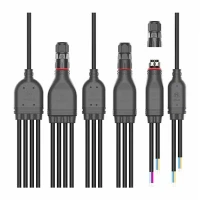
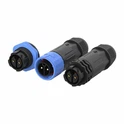
Insulation resistance is a critical parameter when it comes to electrical connectors, and this holds true for the Bulk series connectors we supply. In this blog, we'll delve into what insulation resistance is, why it matters for Bulk series connectors, and how it impacts their performance in various applications.
What is Insulation Resistance?
Insulation resistance refers to the resistance offered by the insulating material between electrical conductors in a connector. It is measured in ohms and is a measure of how well the insulation prevents the flow of electric current between different conductors or between a conductor and the ground. A high insulation resistance value indicates that the insulation is effective at preventing leakage current, while a low value may suggest a problem with the insulation, such as damage or contamination.
The insulation resistance of a connector is influenced by several factors, including the type of insulating material used, the design of the connector, and the environmental conditions in which it operates. For example, connectors used in high - humidity environments may experience a decrease in insulation resistance due to moisture absorption by the insulating material.
Importance of Insulation Resistance in Bulk Series Connectors
As a supplier of Bulk series connectors, we understand the significance of insulation resistance in ensuring the reliable operation of these connectors. In electrical systems, a low insulation resistance can lead to a variety of problems, such as electrical leakage, short circuits, and interference with other electrical components.
In industrial applications, where Bulk series connectors are commonly used, reliable electrical connections are essential. For instance, in automated manufacturing processes, a connector with poor insulation resistance can cause malfunctions in machinery, leading to production delays and increased maintenance costs. In addition, in safety - critical applications, such as in the aerospace or automotive industries, a low insulation resistance can pose a serious risk to the safety of personnel and equipment.
Measuring Insulation Resistance
Measuring the insulation resistance of a Bulk series connector typically involves using a megohmmeter, also known as a megger. A megger applies a high - voltage DC signal to the connector and measures the resulting current flow. The insulation resistance is then calculated using Ohm's law (R = V/I), where R is the resistance, V is the applied voltage, and I is the measured current.
It's important to note that the measurement of insulation resistance should be carried out under specific conditions to ensure accurate results. For example, the connector should be clean and dry, and the measurement should be taken at a specified temperature and humidity level.
Factors Affecting Insulation Resistance in Bulk Series Connectors
Material Selection
The choice of insulating material plays a crucial role in determining the insulation resistance of a Bulk series connector. Common insulating materials used in these connectors include plastics such as polycarbonate, nylon, and PTFE. Each material has its own properties, such as dielectric strength, moisture resistance, and temperature resistance, which can affect the insulation resistance.
For example, PTFE is known for its excellent electrical insulation properties and high resistance to moisture and chemicals. Connectors made with PTFE insulation are likely to have a higher insulation resistance compared to those made with other materials, especially in harsh environments.
Connector Design
The design of the Bulk series connector also impacts its insulation resistance. A well - designed connector will have proper spacing between conductors and effective sealing to prevent the ingress of moisture and contaminants. For example, connectors with a tight - fitting design and a reliable sealing mechanism are less likely to experience a decrease in insulation resistance due to environmental factors.
Environmental Conditions
Environmental factors such as temperature, humidity, and the presence of chemicals can have a significant impact on the insulation resistance of Bulk series connectors. High temperatures can cause the insulating material to degrade, leading to a decrease in insulation resistance. Similarly, high humidity can cause moisture to penetrate the insulation, reducing its effectiveness.
In addition, exposure to chemicals such as solvents or corrosive substances can damage the insulating material, resulting in a lower insulation resistance. Therefore, it's important to select Bulk series connectors that are suitable for the specific environmental conditions in which they will be used.
Our Bulk Series Connectors and Insulation Resistance
We take pride in offering a wide range of Bulk series connectors with excellent insulation resistance. Our connectors are designed and manufactured using high - quality insulating materials and advanced manufacturing processes to ensure reliable performance.
For example, our M20 Straight Type Waterproof Connector is designed to provide a high level of insulation resistance even in wet and harsh environments. The connector features a waterproof design and is made with a high - quality insulating material that offers excellent resistance to moisture and chemicals.
Similarly, our M18 Straight Type Waterproof Connector and M27 Straight Type Waterproof Connector are also engineered to meet the highest standards of insulation resistance. These connectors are suitable for a variety of applications, including industrial automation, automotive, and aerospace.
Conclusion
Insulation resistance is a vital aspect of Bulk series connectors, and it directly impacts their performance and reliability. As a supplier, we are committed to providing connectors with high insulation resistance to meet the needs of our customers. Whether you are looking for a connector for a simple electrical circuit or a complex industrial application, our Bulk series connectors offer the reliability and performance you can trust.


If you are interested in learning more about our Bulk series connectors or have specific requirements for your application, we encourage you to contact us for a detailed discussion. Our team of experts is ready to assist you in selecting the right connector for your needs and to provide you with the best possible solutions.
References
- Electrical Engineering Handbook, CRC Press
- Connector Design and Application Guide, Industry Standard Publication