In the realm of electrical connectors, the F type connector stands out as a crucial component in various applications, especially in the field of coaxial cable connections. As a trusted F type connector supplier, I often encounter questions about the mating cycle of these connectors. In this blog, I'll delve into what the mating cycle of an F type connector is, why it matters, and how it impacts the performance and longevity of the connector.
Understanding the Mating Cycle
The mating cycle of an F type connector refers to the number of times the connector can be mated (connected) and unmated (disconnected) from its corresponding counterpart while still maintaining its electrical and mechanical performance within acceptable limits. This is a critical parameter because in real - world applications, connectors are often connected and disconnected multiple times during installation, maintenance, or equipment upgrades.
For an F type connector, the mating cycle is typically measured in the number of insertions and removals. Each time the male and female parts of the F type connector are joined and then separated, it counts as one mating cycle. The ability of the connector to withstand a certain number of mating cycles is determined by several factors, including the materials used in its construction, the design of the contact surfaces, and the manufacturing quality.
Factors Affecting the Mating Cycle
Material Selection
The choice of materials for the F type connector plays a significant role in determining its mating cycle. The contact pins and sockets are usually made of metals such as brass or copper alloy, which are known for their good electrical conductivity. However, the surface finish of these metals is equally important. For example, gold plating is often used on the contact surfaces because it provides excellent corrosion resistance and low contact resistance. A well - plated contact surface can withstand more mating cycles without significant degradation.
Design of Contact Surfaces
The design of the contact surfaces in an F type connector is crucial for a reliable mating cycle. The male and female contacts should have a proper fit and alignment to ensure a stable electrical connection. A well - designed contact surface will distribute the contact force evenly, reducing the wear and tear during mating and unmating. For instance, some F type connectors have a precision - engineered thread design that allows for a smooth and secure connection, minimizing the stress on the contact surfaces.
Manufacturing Quality
High - quality manufacturing processes are essential for achieving a long mating cycle. Precise machining and assembly ensure that the connector components fit together accurately. Any misalignment or burrs in the manufacturing process can lead to premature wear and a reduced mating cycle. At our company, we use advanced manufacturing techniques and strict quality control measures to ensure that our F type connectors meet the highest standards.
Importance of Mating Cycle in Applications
Reliability in Long - Term Use
In applications where the F type connector is used for long - term connections, such as in cable television systems or satellite communication, a high mating cycle is crucial. These systems often require periodic maintenance or equipment upgrades, which involve connecting and disconnecting the connectors. A connector with a low mating cycle may start to show signs of degradation after a few uses, leading to signal loss, intermittent connections, or even complete failure.
Cost - Effectiveness
A connector with a high mating cycle can be more cost - effective in the long run. Although it may have a higher upfront cost, it reduces the need for frequent replacements. This is especially important in large - scale installations where the cost of replacing connectors can add up quickly. By investing in F type connectors with a high mating cycle, customers can save money on maintenance and replacement costs over time.
Our F Type Connectors and Mating Cycle
As an F type connector supplier, we take pride in offering connectors with a high mating cycle. Our connectors are designed and manufactured to meet the demanding requirements of various industries. We use high - quality materials and advanced manufacturing processes to ensure that our connectors can withstand a large number of mating cycles without compromising performance.


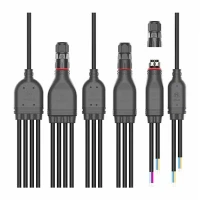
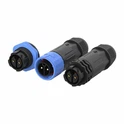
In addition to our standard F type connectors, we also offer a range of waterproof connectors, such as the M20 Straight Type Waterproof Connector, M20 T Type Waterproof Connector, and M16 Straight Type Waterproof Connector. These waterproof connectors are suitable for outdoor and harsh environment applications, where the mating cycle is also an important consideration.
How to Ensure a Long Mating Cycle
Proper Installation
Proper installation is key to ensuring a long mating cycle for F type connectors. When installing the connector, it is important to follow the manufacturer's instructions carefully. This includes ensuring that the connector is properly aligned and tightened to the correct torque. Over - tightening or under - tightening can cause damage to the connector and reduce its mating cycle.
Regular Maintenance
Regular maintenance can also extend the mating cycle of F type connectors. This includes inspecting the connectors for any signs of damage, such as corrosion or wear, and cleaning the contact surfaces if necessary. By keeping the connectors clean and in good condition, you can ensure that they continue to perform well over a large number of mating cycles.
Conclusion
The mating cycle of an F type connector is an important factor to consider when choosing a connector for your application. A high mating cycle ensures reliability, cost - effectiveness, and long - term performance. As an F type connector supplier, we are committed to providing high - quality connectors that meet the needs of our customers. If you are in the market for F type connectors or our waterproof connectors, we invite you to contact us for more information and to discuss your specific requirements. Our team of experts is ready to assist you in finding the right connector solution for your project.
References
- "Coaxial Connectors: Theory and Applications" by Richard F. Shea
- Industry standards and specifications for F type connectors