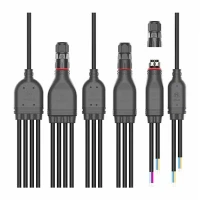
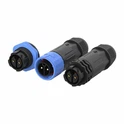
Hey there! As a supplier of molding connectors, I've been asked a bunch of times about the purpose of color coding in these connectors. So, I thought I'd sit down and write this blog to shed some light on the matter.
Let's start by understanding what molding connectors are. Molding connectors are used in a wide range of industries, from automotive to electronics. They're designed to provide a secure and reliable connection between different components. These connectors are often molded with a specific shape and size to fit precisely into the intended application.
Now, let's get to the main topic - color coding. Color coding in molding connectors serves several important purposes. First off, it's all about making identification a breeze. When you're working with a bunch of connectors, it can be really tough to tell them apart just by looking at their shape or size. But when each connector has a distinct color, it becomes super easy to pick out the one you need.
For example, in a complex electrical system, you might have different types of connectors for power, signal, and ground. By using different colors for each type, an electrician or technician can quickly identify which connector is for what purpose. This not only saves time but also reduces the risk of making mistakes. You don't want to accidentally connect a power connector to a signal line, right? That could lead to some serious malfunctions or even damage to the equipment.
Another big advantage of color coding is safety. In industries where safety is a top priority, like the automotive or aerospace industries, color coding helps ensure that connectors are installed correctly. For instance, in an airplane, there are hundreds of connectors used in the electrical and hydraulic systems. Using color coding, maintenance crews can easily identify and connect the right connectors during repairs or inspections. This helps prevent potential safety hazards that could arise from incorrect connections.
Color coding also plays a crucial role in quality control. During the manufacturing process, it's easier to spot any defects or misconfigurations when connectors are color - coded. Workers can quickly check if the right color connector is being used at each stage of the assembly. If a wrong - colored connector is used, it can be immediately identified and corrected, ensuring that the final product meets the required standards.
Now, let me give you some real - world examples of how color coding works in our products. We offer a variety of waterproof connectors, such as the M25 3pin Waterproof Connector. This connector might be color - coded differently depending on its application. Maybe it's used for a specific type of power supply in an outdoor lighting system. By having a unique color, installers can easily tell it apart from other connectors in the system.
Similarly, our A25 5pin Waterproof Connector could be used in a marine environment. The color coding on this connector helps boat technicians quickly connect and disconnect the right cables during maintenance or upgrades. And the M16 Straight Type Waterproof Connector is often used in industrial automation. Color coding here helps operators in the factory floor easily identify and replace connectors when needed.


In addition to these practical benefits, color coding can also be used to convey information about the connector's specifications. For example, a certain color might indicate the voltage rating or the current - carrying capacity of the connector. This information can be really useful for engineers and technicians when they're designing or troubleshooting a system.
But it's not just about the end - users. Color coding also helps us, as a supplier, manage our inventory more efficiently. We can easily categorize and store our connectors based on their color, which makes it quicker to pick and pack orders. It also reduces the chances of shipping the wrong connector to our customers.
Now, you might be wondering how we decide on the colors for our connectors. Well, there are some industry standards and best practices that we follow. For example, in the electrical industry, certain colors are commonly associated with specific functions. Red is often used for power, black for ground, and blue for signal. However, we also work closely with our customers to understand their specific needs and requirements. Sometimes, they might have their own internal color - coding system that they want us to follow.
As a molding connector supplier, we're constantly looking for ways to improve our products and services. Color coding is just one of the many features that we offer to make our customers' lives easier. Whether you're an engineer designing a new product, a technician doing maintenance, or a purchasing manager looking for reliable connectors, we've got you covered.
If you're in the market for high - quality molding connectors, we'd love to hear from you. We can provide you with detailed information about our products, including their color - coding schemes. Whether you need a small quantity for a prototype or a large order for mass production, we can work with you to meet your requirements. Reach out to us to start a conversation about your connector needs and let's see how we can help you get the right connectors for your project.
References:
- Electrical Engineering Handbook, various editions
- Industry standards for connector manufacturing and safety regulations