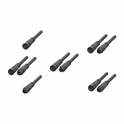
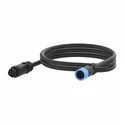
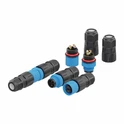
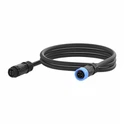
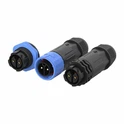
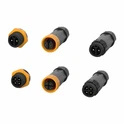
Waterproof connectors play a vital role in modern industry, electronic equipment, and infrastructure. With the continuous advancement of technology and the diversification of application scenarios, the requirements for equipment's environmental adaptability are increasing. This is especially true in harsh conditions such as humidity, rain, or underwater. The reliability of waterproof connectors directly impacts the performance, safety, and service life of the equipment.
Ensuring Stable Equipment Operation
The primary function of waterproof connectors is to prevent moisture, dust, and other contaminants from entering electrical connections, thereby preventing problems such as short circuits, corrosion, and poor contact. In outdoor communication base stations, marine engineering equipment, or industrial automation systems, moisture intrusion can cause signal interruption, data loss, and even equipment damage. High-quality waterproof connectors ensure stable transmission of current and signals, maintaining normal operation even in extreme environments.
Improving Safety
In applications involving electrical power or high voltage currents, such as electric vehicle charging facilities, power distribution systems, and medical equipment, the sealing performance of waterproof connectors is directly related to the safety of operators and equipment. If the connector's waterproof performance is insufficient, resulting in leakage or short circuits, it can cause serious accidents such as fire and electric shock. Therefore, waterproof connectors are not only a functional requirement but also a key component of safety protection.
Extending Device Lifespan
Moisture and corrosive substances are among the primary enemies of electronic devices. Connectors exposed to moisture for extended periods without adequate waterproofing can suffer from gradual oxidation of metal contacts and degradation of plastic casings, ultimately leading to connection failure. Waterproof connectors, through high-quality sealing materials and structural design, effectively isolate these components from external corrosion, extending device lifespan and reducing maintenance costs.
Adapting to Diverse Applications
Waterproof connectors are used in a wide range of applications, from consumer electronics (such as smartphones and outdoor cameras) to heavy industrial applications (such as ships and oil rigs) to emerging sectors (such as underwater robots and new energy storage systems). Different industries have varying requirements for waterproofing ratings, such as IP67 or IP68, which ensure that connectors can maintain reliable performance underwater at specific depths or under high-pressure water flow. This flexibility makes waterproof connectors an indispensable component in modern technology.
Conclusion
The importance of waterproof connectors lies not only in their basic functionality but also in their commitment to device reliability, safety, and long-term performance. As the demand for waterproofing continues to increase across various industries, selecting high-quality, standard-compliant waterproof connectors has become a key consideration in engineering design, equipment manufacturing, and daily use. In the future, with the further development of technology, waterproof connectors will continue to play an irreplaceable role in more fields.