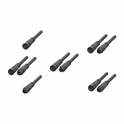
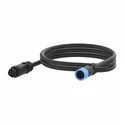
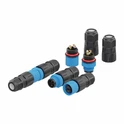
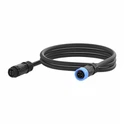
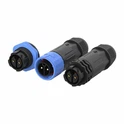
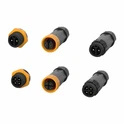
Waterproof connectors play a vital role in modern industrial, electronic equipment, and outdoor installations.Their core function is to ensure stable and reliable electrical connections in environments with humidity, submersion, and even high-pressure water flow, thereby ensuring the normal operation of equipment and the safety of personnel. With the continuous advancement of technology, the application scope of waterproof connectors is expanding, and their importance is becoming increasingly prominent.
Basic Functions of Waterproof Connectors
The primary function of waterproof connectors is to prevent moisture, dust, and other contaminants from invading electrical connections, thereby preventing equipment failures caused by short circuits, corrosion, or poor contact. They typically utilize sealing designs such as rubber gaskets, thread locking mechanisms, or housings made of specialized materials to ensure they maintain high protection levels (such as IP67 and IP68) even in harsh environments. This protection not only extends the lifespan of equipment but also reduces maintenance costs.
Key Roles of Waterproof Connectors
1. Ensuring Electrical Safety
In humid or underwater environments, ordinary connectors are susceptible to moisture penetration, causing short circuits, leakage, and even fire. Waterproof connectors, with their rigorous sealing design, effectively isolate moisture from electrical current, significantly reducing the risk of electrical accidents. They are particularly indispensable in marine applications, diving equipment, and outdoor power systems.
2.Improving Equipment Reliability
Industrial environments (such as chemical and mining industries) are often characterized by high humidity, corrosive gases, and extreme temperature fluctuations. Metal components in conventional connectors can easily oxidize or loosen, leading to signal interruptions or equipment downtime. Waterproof connectors utilize corrosion-resistant materials (such as stainless steel and engineering plastics) and a robust mechanical structure to ensure long-term, stable electrical connections and improve overall equipment reliability.
3.Adaptable to Diverse Application Scenarios
From consumer electronics (such as smartphones and outdoor cameras) to heavy machinery (such as construction machinery and medical equipment), waterproof connectors have a wide range of applications. For example, in outdoor LED displays, waterproof connectors protect against rainwater erosion; in new energy vehicle charging systems, they ensure the safe transmission of high-voltage current even in rainy weather.
The Industry Value of Waterproof Connectors
Waterproof connectors have become key components in industrial automation, 5G communications, new energy, and other fields. For example, in smart manufacturing, waterproof connectors ensure data transmission between robots and sensors in humid environments. In photovoltaic power generation systems, they protect against wind and rain, maintaining stable energy system operation. Furthermore, with the development of the Internet of Things (IoT) and smart homes, demand for waterproof connectors is growing, driving the evolution of related technologies towards higher levels of protection, smaller size, and greater durability.
Conclusion
Waterproof connectors are more than just simple electrical connection accessories; they are core components that ensure device safety and enhance system reliability. Their functions encompass a waterproof physical barrier, corrosion-resistant materials, and structural designs suitable for extreme environments. They are widely used in industry, consumer electronics, and infrastructure. As technology advances, waterproof connectors will continue to play an irreplaceable role in more scenarios, providing solid support for the intelligence and reliability of modern society.