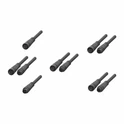
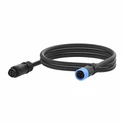
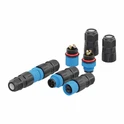
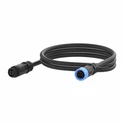
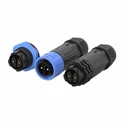
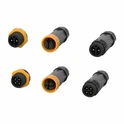
As a key connector component in electrical equipment, the design of waterproof connectors not only impacts the product's aesthetics but also directly influences its functionality, durability, and environmental suitability.An in-depth analysis of their appearance can provide a better understanding of their structural design principles and practical application value.
Overall Structure and Shape
Waterproof connectors typically feature a compact and sturdy monolithic structure to ensure reliable connections in harsh environments. Their exterior shapes are typically cylindrical, rectangular, or shaped, depending on the application requirements. For example, industrial-grade waterproof connectors often feature a regular rectangular housing for easy installation, while waterproof connectors for portable devices may adopt a more compact cylindrical design to save space. The housing surface is typically smooth and flat, with rounded edges, enhancing aesthetics and reducing the risk of scratches during operation.
Material and Surface Treatment
Waterproof connector housings are primarily made of high-strength engineering plastics (such as nylon and polycarbonate) or metals (such as stainless steel and aluminum alloy). Plastic housings are lightweight and cost-effective, making them suitable for general waterproofing needs. Metal housings offer greater mechanical strength and electromagnetic interference resistance and are often used in demanding environments. Surface treatments include painting, electroplating, or anodizing to enhance corrosion and wear resistance. For example, nickel or chrome plating improves rust resistance, while black or gray matte finishes enhance slip resistance and stain resistance.
Interface and Sealing Structure
The interface of a waterproof connector is a core feature of its design and typically features a threaded, snap-on, or push-pull locking mechanism to ensure a secure connection. Threaded interfaces are commonly used in high-current or high-voltage applications, with their precision-designed threads ensuring a reliable waterproof seal. Snap-on interfaces facilitate quick insertion and removal, making them suitable for frequent operation. Regarding sealing, rubber or silicone seals are typically used at the junction of the connector plug and receptacle. These seals are recessed into grooves in the housing, forming a multi-layered waterproof barrier. Some high-end products also feature external protective covers or dust plugs to further enhance waterproofing.
Color and Marking
The color of a waterproof connector is often related to its function or application. For example, black or dark gray housings are common in industrial equipment, conveying professionalism and dirt resistance. Blue or yellow may be used for specific identification, such as distinguishing the positive and negative poles of a power supply or signal lines. Furthermore, connectors often feature model numbers, specifications, or certification marks (such as IP67 and IP68) printed on their surfaces, allowing users to quickly identify their waterproof rating and performance specifications. These markings are typically laser engraved or printed with high-temperature-resistant ink to ensure continued legibility even after extended use.
Conclusion
The appearance of a waterproof connector is a crucial component of its functional design. From its overall shape to its detailed finishes, it is designed to ensure waterproofness, durability, and ease of use. Through the optimal selection of materials, optimized sealing structures, and well-designed markings, waterproof connectors can maintain stable electrical connection performance in a variety of complex environments, while meeting user demands for both aesthetics and practicality.