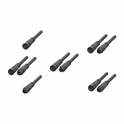
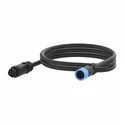
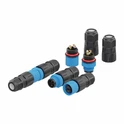
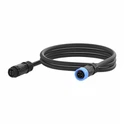
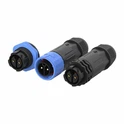
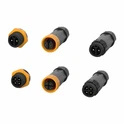
Waterproof connectors, as indispensable components of modern electrical equipment, are widely used in fields such as outdoor equipment, industrial automation, automotive electronics, and medical devices. Their core function is to ensure stable and reliable electrical connections in humid, dusty, and even underwater environments. However, to fully utilize the performance of waterproof connectors, a series of key techniques must be mastered, requiring meticulous attention from selection to installation.
Waterproof Connector Selection Tips
Selection is the first step in waterproof connector application and directly impacts the long-term operational stability of the equipment. First, determine the IP rating (Ingress Protection Rating) based on the operating environment. For example, IP67 or IP68 represent protection against temporary submersion and continuous deep submersion, respectively. Next, consider the connector's operating voltage, current, and signal type to ensure its rated parameters meet actual requirements. Material selection is also crucial. Common housing materials include nylon, stainless steel, and aluminum alloy. Nylon offers excellent corrosion resistance, while stainless steel is suitable for extreme environments.
Key Installation Techniques
The quality of installation directly determines the sealing performance of waterproof connectors. First, ensure that the crimping or welding between the connector and the cable is secure to avoid loose connections that increase contact resistance or risk short circuits. Secondly, when tightening threaded connectors, adhere to the specified torque value. Overtightening may cause the housing to deform, while over-loosening may prevent an effective seal. For connectors sealed with O-rings, check the rubber ring for integrity and apply a moderate amount of grease before assembly to enhance the seal.
Maintenance and Testing Tips
The long-term reliability of waterproof connectors depends on regular maintenance and testing. It is recommended to check the connector seal at regular intervals, especially for devices exposed to harsh environments. Waterproofing can be verified using an airtightness tester, or by conducting a water immersion test (such as that required by IP68) to confirm its protection. If the connector surface shows signs of aging, cracks, or seal hardening, it should be replaced promptly to avoid potential failure.
Application Tips for Special Environments
In extreme environments, such as those subject to high salt spray, strong vibration, or high temperatures, the selection and installation of waterproof connectors require extra caution. For example, in marine environments, gold-plated contacts or stainless steel are preferred to resist corrosion, while vibration-resistant designs require anti-loosening structures. Furthermore, waterproof connectors for high-frequency signal transmission require attention to impedance matching to prevent the waterproof structure from compromising signal integrity.
Conclusion
The performance of waterproof connectors depends not only on the quality of the product itself but also on proper selection, installation, and maintenance techniques. Scientific design and rigorous operation can significantly improve the reliability of equipment in humid, high-voltage, or corrosive environments, thereby ensuring the long-term stable operation of electrical systems. Engineers should flexibly apply the above techniques based on specific scenarios to achieve the optimal waterproof connection solution.