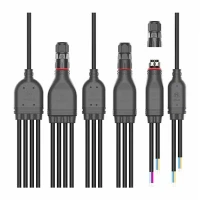
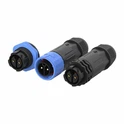
Can shunt connectors be used in lighting systems? This is a question that many in the lighting industry often ponder. As a shunt connectors supplier, I've delved deep into this topic to provide a comprehensive answer.
Understanding Shunt Connectors
Shunt connectors are electrical components designed to connect multiple conductors together. They work by providing an alternative path for electrical current, allowing it to flow around a particular point in a circuit. This can be extremely useful in various applications, including lighting systems.
One of the key advantages of shunt connectors is their ability to simplify wiring. Instead of running multiple individual wires to each light fixture, a shunt connector can be used to connect several fixtures in parallel. This not only reduces the amount of wiring required but also makes installation faster and more efficient.
The Compatibility of Shunt Connectors with Lighting Systems
When considering the use of shunt connectors in lighting systems, it's essential to evaluate their compatibility. Lighting systems come in various types, including incandescent, fluorescent, LED, and halogen. Each type has its own electrical characteristics, and shunt connectors must be able to handle these specific requirements.
For example, LED lighting systems are known for their low power consumption and high efficiency. They typically operate at low voltages and require a stable power supply. Shunt connectors used in LED lighting systems need to have low resistance to minimize power loss and ensure that the LEDs receive a consistent amount of power.
On the other hand, incandescent lighting systems consume more power and operate at higher voltages. Shunt connectors used in these systems need to be able to handle the higher current and voltage levels without overheating or causing electrical problems.
Advantages of Using Shunt Connectors in Lighting Systems
There are several advantages to using shunt connectors in lighting systems. Firstly, as mentioned earlier, they simplify wiring. This can significantly reduce installation time and labor costs, especially in large-scale lighting projects.
Secondly, shunt connectors improve the reliability of the lighting system. By providing an alternative path for electrical current, they can prevent a single point of failure from causing the entire system to go out. For example, if a wire in a lighting circuit breaks, the shunt connector can allow the current to bypass the break and keep the other lights in the circuit functioning.


Thirdly, shunt connectors can enhance the flexibility of the lighting system. They make it easier to add or remove light fixtures without having to rewire the entire system. This is particularly useful in commercial and industrial settings where lighting requirements may change over time.
Types of Shunt Connectors Suitable for Lighting Systems
There are several types of shunt connectors that are suitable for use in lighting systems. One popular type is the waterproof connector. Waterproof connectors are designed to protect the electrical connections from moisture and water damage, making them ideal for outdoor lighting systems or indoor lighting systems in wet environments.
For example, the M15 F Type Waterproof Connector is a high-quality waterproof connector that is commonly used in lighting systems. It has a robust design and is capable of withstanding harsh environmental conditions.
Another type of shunt connector suitable for lighting systems is the M15 T Type Waterproof Connector. This connector is designed to provide a secure and reliable connection, even in high-vibration environments. It is often used in industrial lighting systems where stability is crucial.
The T Molding Type Waterproof Connector is also a great option for lighting systems. It offers excellent sealing performance and is easy to install, making it a popular choice among lighting installers.
Considerations When Using Shunt Connectors in Lighting Systems
While shunt connectors offer many benefits, there are also some considerations to keep in mind when using them in lighting systems. Firstly, it's important to choose the right type of shunt connector for the specific lighting system. This requires a thorough understanding of the electrical characteristics of the lighting system and the capabilities of the shunt connector.
Secondly, proper installation is crucial. Shunt connectors must be installed correctly to ensure a secure and reliable connection. This includes making sure that the wires are properly stripped and inserted into the connector, and that the connector is tightened to the appropriate torque.
Thirdly, regular maintenance is necessary to ensure the long-term performance of the shunt connectors. This includes inspecting the connectors for signs of damage or wear, and replacing them if necessary.
Conclusion
In conclusion, shunt connectors can be effectively used in lighting systems. They offer numerous advantages, including simplified wiring, improved reliability, and enhanced flexibility. However, it's important to choose the right type of shunt connector for the specific lighting system and to ensure proper installation and maintenance.
If you're in the market for high-quality shunt connectors for your lighting system, we are here to help. Our company specializes in providing a wide range of shunt connectors, including the M15 F Type Waterproof Connector, M15 T Type Waterproof Connector, and T Molding Type Waterproof Connector. We have the expertise and experience to help you find the perfect solution for your lighting needs. Contact us today to discuss your requirements and start a procurement negotiation.
References
- Electrical Wiring Handbook, 17th Edition
- Lighting Systems Design Guide
- Shunt Connector Manufacturer's Technical Manuals