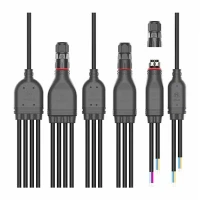
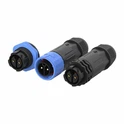
Effectively managing cables with a bulk molding connector is crucial in various industries, from electronics manufacturing to automotive applications. As a trusted bulk molding connector supplier, I've witnessed firsthand the impact of proper cable management on system performance, reliability, and overall efficiency. In this blog post, I'll share some valuable insights and practical tips on how to manage cables with a bulk molding connector effectively.
Understanding Bulk Molding Connectors
Before delving into cable management strategies, it's essential to understand what bulk molding connectors are and how they work. Bulk molding connectors are typically used to terminate multiple wires or cables into a single connector body. They are designed to provide a secure and reliable connection, protecting the wires from environmental factors such as moisture, dust, and vibration.
One of the key advantages of bulk molding connectors is their ability to simplify cable management. By consolidating multiple cables into a single connector, you can reduce clutter, minimize the risk of cable damage, and improve the overall organization of your wiring system.
Planning Your Cable Management System
The first step in effective cable management is to plan your system carefully. This involves assessing your specific requirements, such as the number and type of cables you need to connect, the environment in which the cables will be used, and any space constraints.
- Identify Your Cable Requirements: Determine the number, size, and type of cables you need to connect. Consider factors such as the voltage, current, and signal requirements of your application.
- Choose the Right Connector: Select a bulk molding connector that is compatible with your cables and meets your specific requirements. Consider factors such as the number of pins, the connector's size and shape, and its environmental rating.
- Design Your Cable Routing: Plan the route that your cables will take from the source to the destination. Avoid sharp bends, kinks, and excessive tension, as these can damage the cables and affect their performance.
- Consider Cable Length: Ensure that your cables are the appropriate length for your application. Avoid using cables that are too long, as this can increase the risk of signal loss and interference.
Organizing Your Cables
Once you have planned your cable management system, the next step is to organize your cables effectively. This involves grouping cables by function, color-coding them for easy identification, and using cable ties, clips, and sleeves to keep them neat and tidy.


- Group Cables by Function: Group cables together based on their function, such as power cables, data cables, and control cables. This makes it easier to identify and troubleshoot cables when needed.
- Color-Code Your Cables: Use color-coding to identify different types of cables. This can help you quickly locate and trace cables, especially in complex wiring systems.
- Use Cable Ties and Clips: Use cable ties and clips to secure your cables and keep them organized. Make sure to use the appropriate size and type of cable ties and clips for your cables.
- Install Cable Sleeves: Consider using cable sleeves to protect your cables from damage and to improve their appearance. Cable sleeves can also help to reduce electromagnetic interference (EMI) and radio frequency interference (RFI).
Installing Your Bulk Molding Connectors
Proper installation of your bulk molding connectors is essential for ensuring a secure and reliable connection. Follow these steps to install your connectors correctly:
- Prepare Your Cables: Strip the insulation from the ends of your cables to expose the conductors. Make sure to strip the insulation to the appropriate length, as specified by the connector manufacturer.
- Insert the Cables into the Connector: Carefully insert the cables into the connector, making sure that each cable is inserted into the correct pin. Use a crimping tool to crimp the connector onto the cables, ensuring a secure connection.
- Seal the Connector: If your connector is designed to be waterproof or dustproof, use a sealant or gasket to seal the connector and protect the cables from environmental factors.
- Test the Connection: Once you have installed the connector, test the connection to ensure that it is working properly. Use a multimeter or other testing equipment to check the continuity and resistance of the connection.
Maintaining Your Cable Management System
Regular maintenance of your cable management system is essential for ensuring its long-term performance and reliability. Here are some tips for maintaining your system:
- Inspect Your Cables Regularly: Check your cables for signs of damage, such as fraying, cracking, or corrosion. Replace any damaged cables immediately to prevent further problems.
- Clean Your Connectors: Use a clean, dry cloth to clean your connectors regularly. This can help to remove dirt, dust, and other contaminants that can affect the performance of the connection.
- Tighten Loose Connections: Check your connectors for loose connections and tighten them as needed. Loose connections can cause signal loss, interference, and other problems.
- Update Your System as Needed: As your requirements change, update your cable management system accordingly. This may involve adding or removing cables, changing the routing of your cables, or upgrading your connectors.
Recommended Products for Cable Management
As a bulk molding connector supplier, I offer a wide range of products that can help you manage your cables effectively. Here are some of our recommended products:
- A25 5pin Waterproof Connector: This connector is designed for use in harsh environments and provides a secure and reliable connection for up to five cables. It is waterproof, dustproof, and resistant to vibration and shock.
- A25 2pin Waterproof Connector: This connector is ideal for applications that require a simple and reliable connection for two cables. It is waterproof, dustproof, and easy to install.
- A20 6pin Waterproof Connector: This connector is designed for use in high-density applications and provides a secure and reliable connection for up to six cables. It is waterproof, dustproof, and resistant to vibration and shock.
Conclusion
Effective cable management is essential for ensuring the performance, reliability, and efficiency of your wiring system. By following the tips and strategies outlined in this blog post, you can manage your cables with a bulk molding connector effectively and avoid common problems such as signal loss, interference, and cable damage.
If you have any questions or need further assistance with cable management, please don't hesitate to contact us. As a leading bulk molding connector supplier, we have the expertise and experience to help you find the right solutions for your specific requirements. We look forward to working with you to improve your cable management system and enhance the performance of your applications.
References
- "Cable Management Best Practices," Electrical Installation Guide, [Publisher], [Year]
- "Bulk Molding Connectors: A Comprehensive Guide," Connector Technology Magazine, [Publisher], [Year]
- "Effective Cable Management for Industrial Applications," Industrial Automation Journal, [Publisher], [Year]