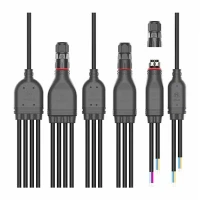
Hey there! As a supplier of Bulk Y type connectors, I often get asked about the dielectric strength of these connectors. So, I thought I'd take a moment to break it down for you in this blog post.
First off, let's talk about what dielectric strength actually is. In simple terms, dielectric strength is the maximum electric field that a material can withstand without breaking down and allowing current to pass through it. It's measured in volts per unit thickness, like volts per mil or volts per millimeter. For connectors, dielectric strength is super important because it determines how well the connector can insulate the electrical contacts from each other and from the surrounding environment.
Now, when it comes to Bulk Y type connectors, the dielectric strength can vary depending on a few different factors. One of the biggest factors is the material used to make the connector body and the insulation around the contacts. Different materials have different dielectric strengths, and manufacturers will choose materials based on the specific requirements of the connector. For example, some connectors might use a high - performance plastic with a good dielectric strength, while others might use a rubber - like material for better flexibility and environmental resistance.


Another factor that affects dielectric strength is the design of the connector. The shape and geometry of the connector, as well as the spacing between the contacts, can all have an impact on how well the connector can withstand electrical stress. A well - designed connector will have proper insulation and contact spacing to minimize the risk of electrical breakdown.
In general, Bulk Y type connectors are designed to have a dielectric strength that meets the standards of the industries they're used in. For example, in the automotive industry, connectors need to be able to withstand high voltages and harsh environmental conditions. So, the dielectric strength of connectors used in cars is typically quite high. On the other hand, connectors used in consumer electronics might have a lower dielectric strength requirement because they operate at lower voltages.
Let's take a look at some of the common applications of Bulk Y type connectors and how dielectric strength matters in each case.
Industrial Applications
In industrial settings, Bulk Y type connectors are often used to connect electrical equipment in manufacturing plants, power generation facilities, and other industrial sites. These connectors need to be able to handle high voltages and currents, as well as resist the effects of dust, moisture, and chemicals. A high dielectric strength is essential to prevent electrical arcing and short circuits, which could lead to equipment damage or even fires. For example, in a power distribution panel, a Bulk Y type connector with a low dielectric strength could fail under high voltage conditions, causing a power outage or other safety hazards.
Automotive Applications
The automotive industry is another major user of Bulk Y type connectors. These connectors are used in everything from engine control systems to lighting systems. In cars, electrical systems operate at a variety of voltages, from the low - voltage systems used for interior lighting to the high - voltage systems used in hybrid and electric vehicles. A good dielectric strength is crucial to ensure the reliability and safety of the electrical connections in a vehicle. For instance, a connector with poor dielectric strength in a high - voltage battery system could lead to a short circuit, which could be extremely dangerous.
Consumer Electronics Applications
In consumer electronics, Bulk Y type connectors are used in devices like smartphones, laptops, and tablets. While these devices typically operate at lower voltages compared to industrial and automotive applications, dielectric strength is still important. A connector with a low dielectric strength could cause interference or signal loss, which could affect the performance of the device. For example, a connector in a smartphone charger could fail due to a breakdown in the insulation, leading to a loss of charging power or even damage to the phone.
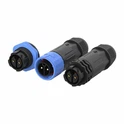
As a supplier of Bulk Y type connectors, we offer a wide range of products with different dielectric strengths to meet the needs of various applications. We also have some other great waterproof connectors in our product line, such as the M20 5pin Waterproof Connector, the M15 5pin Waterproof Connector, and the M20 8pin Waterproof Connector. These waterproof connectors are designed to provide reliable electrical connections in wet or humid environments.
If you're in the market for Bulk Y type connectors or any of our other products, I encourage you to reach out and start a conversation. Whether you're working on a small consumer electronics project or a large industrial installation, we have the expertise and the products to meet your needs. We can help you choose the right connectors with the appropriate dielectric strength for your specific application. Don't hesitate to get in touch if you have any questions or if you're ready to discuss your procurement needs.
References
- Electrical Engineering Handbook, Second Edition, Edited by Richard C. Dorf
- The Automotive Electrical and Electronic Systems Handbook, by Tom Denton
- Handbook of Electronic Connectors and Interconnects, by A. Blake Litt and William L. Corsa