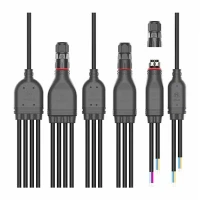
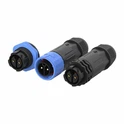
When it comes to electrical connections in challenging environments, an M15 waterproof connector stands out as a reliable solution. As a seasoned supplier of M15 waterproof connectors, I understand that choosing the right connector is crucial for ensuring the safety, efficiency, and longevity of your electrical systems. In this blog post, I'll walk you through the key factors you should consider when making this important decision.


1. Application Requirements
The first step in choosing an M15 waterproof connector is to understand the specific requirements of your application. Different industries and projects have unique needs, and the connector you select must be able to meet them effectively.
- Environmental Conditions: Consider the environment in which the connector will be used. Is it exposed to water, dust, chemicals, or extreme temperatures? For example, in outdoor applications such as marine or agricultural equipment, the connector needs to withstand harsh weather conditions, including heavy rain, saltwater corrosion, and high humidity. Our M15 waterproof connectors are designed to provide reliable protection against these elements, ensuring stable electrical connections even in the most challenging environments.
- Electrical Requirements: Determine the voltage, current, and signal requirements of your electrical system. The connector must be able to handle the specified electrical load without overheating or causing electrical interference. For instance, in high-power applications, you may need a connector with a larger wire gauge and higher current rating. Our product range includes M15 3pin Waterproof Connector, M15 4pin Waterproof Connector, and M15 5pin Waterproof Connector options, each designed to meet different electrical requirements.
2. Waterproof Rating
The waterproof rating is a critical factor to consider when choosing an M15 waterproof connector. It indicates the level of protection the connector provides against water and dust ingress. The most common waterproof rating system is the Ingress Protection (IP) code, which consists of two digits.
- First Digit: Represents the level of protection against solid objects, such as dust and dirt. The higher the number, the better the protection. For example, an IP rating of IP6X means the connector is completely protected against dust.
- Second Digit: Represents the level of protection against water ingress. The higher the number, the better the protection. For example, an IP rating of IPX7 means the connector can be submerged in water up to 1 meter for 30 minutes without any harmful effects.
When selecting an M15 waterproof connector, look for a high IP rating, such as IP67 or IP68, to ensure reliable protection against water and dust in your application.
3. Connector Type
There are several types of M15 waterproof connectors available, each with its own features and advantages. The most common types include:
- Straight Connectors: These connectors provide a direct connection between two cables or devices. They are simple to install and are suitable for most applications.
- Right-Angle Connectors: These connectors are designed to make a 90-degree turn, which can be useful in tight spaces or when you need to route cables in a specific direction.
- Panel-Mount Connectors: These connectors are designed to be mounted on a panel or enclosure, providing a secure and reliable connection for cables or devices inside the panel.
- In-Line Connectors: These connectors are used to splice two cables together, providing a waterproof and dustproof connection in the middle of a cable run.
Choose the connector type that best suits your application requirements and installation needs.
4. Material and Durability
The material used in the construction of the M15 waterproof connector plays a significant role in its durability and performance. Look for connectors made from high-quality materials that can withstand the harsh conditions of your application.
- Housing Material: The housing of the connector should be made from a durable and waterproof material, such as plastic or metal. Plastic housings are lightweight, corrosion-resistant, and cost-effective, while metal housings offer higher strength and protection against mechanical damage.
- Contact Material: The contacts inside the connector should be made from a conductive material with good electrical properties, such as copper or brass. These materials ensure low electrical resistance and reliable signal transmission.
- Sealing Material: The sealing material used in the connector is crucial for providing a waterproof and dustproof seal. Look for connectors with high-quality seals made from materials such as rubber or silicone, which can effectively prevent water and dust from entering the connector.
5. Ease of Installation
The ease of installation is an important factor to consider, especially if you need to install the connector in a tight or hard-to-reach space. Look for connectors that are easy to install and require minimal tools or expertise.
- Plug-and-Play Design: Connectors with a plug-and-play design are easy to connect and disconnect, making them ideal for applications where quick installation and removal are required.
- Tool-Free Installation: Some connectors can be installed without the need for special tools, which can save time and effort during installation.
- Clear Installation Instructions: Make sure the connector comes with clear and detailed installation instructions to ensure proper installation and prevent damage to the connector.
6. Cost
Cost is always a consideration when choosing an M15 waterproof connector. However, it's important to balance cost with quality and performance. Cheaper connectors may not provide the same level of protection or durability as more expensive ones, which can lead to costly repairs or replacements in the long run.
- Compare Prices: Shop around and compare prices from different suppliers to find the best deal. However, don't just focus on the price – also consider the quality, features, and reputation of the supplier.
- Consider Total Cost of Ownership: When evaluating the cost of the connector, also consider the total cost of ownership, including installation, maintenance, and repair costs. A higher-quality connector may cost more upfront but can save you money in the long run by reducing downtime and maintenance costs.
7. Supplier Reputation and Support
Choosing a reputable supplier is essential for ensuring the quality and reliability of your M15 waterproof connector. Look for a supplier with a proven track record of providing high-quality products and excellent customer support.
- Reputation: Research the supplier's reputation online and read customer reviews to get an idea of their product quality and customer service.
- Product Range: Make sure the supplier offers a wide range of M15 waterproof connectors to choose from, so you can find the right connector for your application.
- Technical Support: Look for a supplier that provides technical support and assistance to help you choose the right connector and ensure proper installation.
- Warranty: A good supplier will offer a warranty on their products, which can give you peace of mind knowing that you're protected against any defects or issues.
In conclusion, choosing the right M15 waterproof connector requires careful consideration of several factors, including application requirements, waterproof rating, connector type, material and durability, ease of installation, cost, and supplier reputation and support. By taking the time to evaluate these factors and choose a high-quality connector from a reputable supplier, you can ensure the safety, efficiency, and longevity of your electrical systems.
If you're in the market for M15 waterproof connectors, we invite you to contact us for more information or to discuss your specific requirements. Our team of experts is here to help you find the perfect connector for your application and provide you with the support you need to ensure a successful installation.
References
- IPC/WHMA-A-620: Requirements and Acceptance for Cable and Wire Harness Assemblies.
- UL 94: Standard for Tests for Flammability of Plastic Materials for Parts in Devices and Appliances.