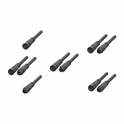
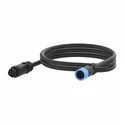
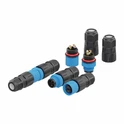
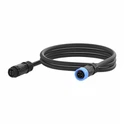
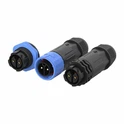
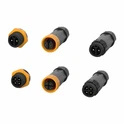
As a key interface component in electronic devices, waterproof connectors' core function is to ensure stable and reliable circuit connections in humid, underwater, or high-humidity environments. Their technical features are primarily reflected in the following aspects:
1. Sealing Structure Design
The waterproof performance of waterproof connectors relies on a sophisticated sealing structure, typically employing rubber O-rings, silicone gaskets, or polyurethane sealing materials to prevent water penetration through multiple physical barriers. Some high-end products utilize threaded locking or snap-on structures, which enhance the seal through mechanical pressure during connection, achieving protection ratings of up to IP67 or even IP68 (resistant to prolonged immersion in water at depths of more than one meter).
2. Material Weatherability and Corrosion Resistance
To adapt to complex environments, waterproof connector housings are often constructed from high-strength engineering plastics (such as PA66 and PBT) or nickel- or chrome-plated metals, offering insulation, wear resistance, and chemical resistance. Contacts are typically plated with gold, tin, or copper alloy to ensure stable signal transmission while reducing the risk of oxidation.
3. Balancing Electrical and Mechanical Performance
Beyond waterproofing, connectors must maintain low contact resistance (typically <5mΩ), high current ratings (up to tens of amperes), and stable signal transmission characteristics. They are suitable for applications in industrial equipment, automotive electronics, medical devices, and other fields. Furthermore, their plug-in/out lifespan typically exceeds 1,000 cycles, and they include additional features such as anti-mistress and vibration resistance.
4. Customized Industry Requirements
Waterproof connectors are available in a variety of specifications to meet diverse application scenarios, including circular M12/M23 connectors (commonly used in sensors), rectangular industrial plugs (such as those used in industrial robots), and miniaturized designs (suitable for wearable devices). Some products also integrate combined data/power transmission capabilities to meet the trend of modern device integration.
With the widespread adoption of the Internet of Things and new energy technologies, waterproof connectors are evolving towards smaller sizes, higher voltages (such as electric vehicle fast-charging interfaces), and intelligent features (with integrated status monitoring). These technological advancements continue to drive advancements in reliable connection solutions for harsh environments.