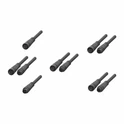
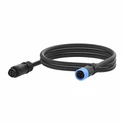
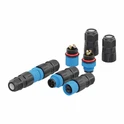
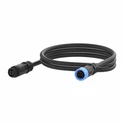
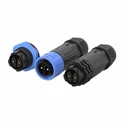
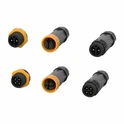
Waterproof connectors, as key protective components in electrical equipment, are widely used in humid environments such as outdoor, industrial, and underwater environments.Their core function is to ensure stable and secure circuit connections, preventing moisture, dust, and other intrusions that could cause short circuits or corrosion. To ensure long-term reliable operation, effective maintenance measures are essential.
Daily Cleaning and Inspection
First, regularly clean the connector surface of any dirt, oil, or chemical residue. Gently wipe the outer shell with a dry, soft, fiber-based cloth to avoid scratching the protective layer. For stubborn stains, use a neutral detergent, but rinse thoroughly and allow to dry. Also, inspect the mating state of the connector plug and receptacle, and confirm that the seal is intact and free of deformation or hardening. If seals are found to be deteriorating, they should be replaced promptly to maintain waterproof performance.
Waterproof Performance Testing
It is recommended to conduct a waterproof test quarterly, especially for connectors exposed to harsh environments. This can be done by performing simulated rain or water immersion tests (which must meet IP rating standards) to observe for signs of water seepage. Even when used under non-extreme conditions, visually inspect the connectors for any accumulation of mist or condensation.
Storage and Usage Guidelines
Unused waterproof connectors should be stored in a dry, well-ventilated environment, away from direct sunlight and corrosive substances. During installation, ensure that the plug and socket are fully engaged and tighten the retaining screws to prevent loosening due to vibration. After removal, immediately cover the ports with dust caps to reduce the risk of foreign matter intrusion.
These maintenance measures can significantly extend the life of waterproof connectors, reduce equipment failure rates, and ensure safe and efficient system operation.