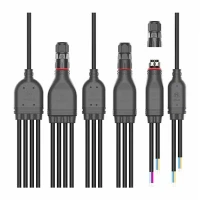
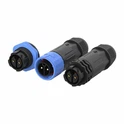
Testing a bulk cable connector is a critical process to ensure its quality, reliability, and performance. As a supplier of bulk cable connectors, I understand the importance of thorough testing to meet the diverse needs of our customers. In this blog post, I'll share some comprehensive methods on how to test a bulk cable connector, covering electrical, mechanical, and environmental aspects.
Electrical Testing
Electrical testing is fundamental to assess the connector's ability to transmit electrical signals accurately and safely. Here are some key electrical tests:
Continuity Testing
Continuity testing is used to check if there is a complete electrical path within the connector. A multimeter is a common tool for this test. Set the multimeter to the continuity mode and touch the probes to the corresponding pins or conductors of the connector. If the multimeter beeps or shows a low resistance value (close to zero), it indicates that there is a continuous electrical path. This test helps to detect any open circuits, which could be caused by broken wires or poor connections.
Resistance Testing
Resistance testing measures the opposition to the flow of electric current in the connector. It is crucial to ensure that the resistance values are within the specified range. Use a multimeter to measure the resistance between different pins or conductors. Abnormal resistance values may suggest issues such as corroded contacts, loose connections, or damaged conductors. High resistance can lead to voltage drops, power losses, and signal degradation.
Insulation Resistance Testing
Insulation resistance testing evaluates the quality of the insulation material between conductors. A megohmmeter (also known as a megger) is typically used for this test. Apply a specified voltage to the connector and measure the insulation resistance. A high insulation resistance value indicates good insulation quality, which helps prevent electrical leakage and short circuits. Low insulation resistance may be caused by moisture ingress, damaged insulation, or contamination.
Dielectric Withstand Voltage Testing
Dielectric withstand voltage testing checks the ability of the connector to withstand a specified voltage without breaking down. This test is important to ensure the safety and reliability of the connector under high - voltage conditions. Use a dielectric tester to apply a high voltage (usually higher than the normal operating voltage) across the conductors for a specified period. If the connector can withstand the voltage without arcing or breakdown, it passes the test. Failure in this test may indicate weak insulation or manufacturing defects.
Mechanical Testing
Mechanical testing assesses the physical integrity and durability of the bulk cable connector. Here are some common mechanical tests:
Pull - Out Force Testing
Pull - out force testing measures the force required to pull the connector apart. This test is important to ensure that the connector can maintain a secure connection under normal operating conditions. Use a tensile testing machine to apply a gradually increasing pulling force until the connector separates. The pull - out force should meet the specified requirements. Insufficient pull - out force may result in accidental disconnection, which can disrupt the electrical system.


Torque Testing
Torque testing is used to verify the proper tightening of the connector. Over - tightening or under - tightening can affect the performance and reliability of the connector. Use a torque wrench to apply the specified torque to the connector's fasteners, such as nuts or bolts. Incorrect torque can lead to loose connections, which may cause vibration, heat generation, and electrical problems.
Vibration Testing
Vibration testing simulates the real - world vibration conditions that the connector may encounter during operation. Place the connector on a vibration table and subject it to a specified frequency and amplitude of vibration for a certain period. After the test, check for any signs of damage, such as loose connections, cracked housing, or broken wires. Vibration can cause fatigue and wear on the connector components, so it is important to ensure that the connector can withstand these conditions.
Impact Testing
Impact testing evaluates the connector's ability to withstand sudden impacts. Drop the connector from a specified height onto a hard surface or use an impact tester to apply a controlled impact force. Check for any visible damage or changes in the electrical performance after the impact. Impact resistance is crucial for connectors used in applications where they may be subjected to accidental bumps or drops.
Environmental Testing
Environmental testing assesses the connector's performance under different environmental conditions. Here are some important environmental tests:
Temperature Testing
Temperature testing exposes the connector to a range of temperatures to evaluate its performance and reliability. Place the connector in a temperature chamber and subject it to high and low temperatures for a specified period. Measure the electrical and mechanical properties of the connector at different temperatures. Extreme temperatures can affect the material properties of the connector, such as the expansion and contraction of the housing and conductors, which may lead to loose connections or insulation breakdown.
Humidity Testing
Humidity testing simulates the effects of high humidity on the connector. Place the connector in a humidity chamber with a controlled relative humidity level for a certain period. Check for signs of corrosion, moisture ingress, or changes in the electrical performance. High humidity can cause oxidation and corrosion of the contacts, which can degrade the electrical conductivity and increase the resistance.
Salt Spray Testing
Salt spray testing is used to evaluate the connector's corrosion resistance in a marine or coastal environment. Place the connector in a salt spray chamber and expose it to a salt - water mist for a specified period. Check for any signs of corrosion on the connector surfaces. Corrosion can damage the contacts and conductors, leading to electrical failures.
Specific Connector Testing Examples
For our M15 F Type Waterproof Connector, in addition to the general tests mentioned above, we also focus on its waterproof performance. We use a water immersion test to check if the connector can maintain its electrical performance after being submerged in water for a certain period.
The Y Type Waterproof Connector is often used in complex wiring systems. We conduct additional signal integrity tests to ensure that it can transmit multiple signals accurately without interference.
Our M15 T Type Waterproof Connector is designed for applications where space is limited. We perform miniaturization - related mechanical tests to ensure that the small - sized connector can still meet the required mechanical strength and durability.
Conclusion
Thorough testing of bulk cable connectors is essential to ensure their quality, reliability, and performance. By conducting a series of electrical, mechanical, and environmental tests, we can identify and eliminate potential issues before the connectors are delivered to our customers. As a supplier, we are committed to providing high - quality bulk cable connectors that meet the strictest industry standards.
If you are interested in our bulk cable connectors or have any questions about testing or product specifications, please feel free to contact us for procurement and further discussions. We look forward to working with you to meet your specific needs.
References
- "Electrical Connector Handbook", McGraw - Hill
- "Mechanical Testing of Electronic Components", ASTM International
- "Environmental Testing Standards for Connectors", IEC Publications